American Sugar Refining Co.
William Frederick Havemeyer (1770-1851) was a German immigrant son of Dietrich Wilhelm Havemeyer (1725-1784) and Elenore Hauserr-Havemeyer ( -1787) of Bückeburg, Saxony. He arrived in the United States in 1799 and founded the first operation of what would later become the American Sugar Refining Co. In 1799 William Frederick was hired by Edmund Seaman to manage his Edmund Seaman & Co. Sugar Refinery on Pine Street in Manhattan, in 1802 his brother Frederick Christian Havemeyer (1774-1841) joined him. In 1805 the two brothers opened their own plant named William & F C Havemeyer, at 87 Vandam Street in Manhattan.
In 1828, William Frederick and Frederick Christian passed the ownership of the refinery onto their respective sons, William F. Havemeyer, Jr. (1804-1874) and Frederick C. Havemeyer, Jr. (1807-1891). The sons operated the Vandam Street refinery as Wm. F. & F.C. Havemeyer, Jr. Co. until 1842 when they transferred ownership to their respective brothers, Albert Havemyer (1814-1874) brother of William F. Jr. and Dietrich M Havemeyer (1816-1854). brother of Frederich C. Jr. In 1849, Albert and Diedrich brought Albert’s nephew William Moller Havemeyer (1865-1900) into the partnership and the firm subsequently operated as Havemeyer and Moller.
On leaving the firm in 1842, William F. Havemeyer, Jr. entered politics, serving three terms as mayor of New York City (1845-46; 1848-49 and 1873-74). Frederick C. Havemeyer, Jr. traveled extensively in Europe, primarily studying sugar refining in England and Germany. On his return to the U.S. around 1855, Frederick Jr. formed a new partnership named Havemyer, Townsend & Co. with his oldest son George Havemeyer (1837-1861) and Dwight Townsend. The firm leased a warehouse on the Williamsburg waterfront at South 3rd Street and Kent Avenue. George Havemeyer tragic death came at a very young age when, while still learning the business, fell down a shaft at the refinery. His father later said he was glad that building burned down.
In 1880, Havemeyers & Elder acquired the idle Wintjen, Dick Harms Refinery, a 13-story structure located on the East River between South 2nd and South 3rd Streets and embarked on plans to construct a new and even more efficient refinery on that site. In 1882, as plans were being completed for the new refinery, a catastrophic fire destroyed the 10-story brick sugarhouse between South 3rd and South 4th Streets. Havemeyers & Elder quickly set about rebuilding and expanding their Brooklyn operations. Under the direction of Theodore Havemeyer, the company acquired more surrounding property and constructed a new refinery complex extending from South 2nd to South 5th or South 6th Streets, at the time the largest sugar refinery in the world in terms of production capacity. The new Havemeyers & Elder refinery opened in 1884 and included a 13-story processing house between South 2nd and South 3rd Streets, on the site of the former Wintjen, Dick refinery, and a 6-story packaging house (later the Adant house pictured below), located on the corner of South 5th and Kent Avenue.
In 1863, Townsend left the firm to pursue a career in politics later serving two terms in Congress. Fredrick Christian Havemeyer, Jr. then changed the name of the firm to Havemeyers & Elder with son Theodore Augustus Havemeyer (1839-1897) in charge of refinery operations and son-in-law J. Lawrence Elder (1832-1868) who was married to Frederick Jr. daughter Mary Osborne Havemeyer (1834-1865), in charge of the mercantile business. Upon Elder’s death in 1868, Frederick’s third son, Henry O. Havemeyer, was brought into the partnership along with a nephew, Charles Henry Senff (1841-1911), son of Susannah Wilhelmina Havemeyer the sister of Frederick Christian Havemeyer Jr. The firm continued to operate under the name Havemeyers & Elder under the leadership of brothers Henry and Theodore.
Other refineries joined Havemeyers & Elder on the Brooklyn waterfront and in 1887 Henry Osborne Havemeyer (1847-1907) organized the Sugar Refineries Co., which successfully consolidated nine local refineries [1] as well as another eleven nationwide. The Sugar Refineries Co. became known as the Sugar Trust and was responsible for refining 75% of the nation's sugar. Because the Sugar Trust came under legal scrutiny following the Sherman Antitrust Act of 1890, the Havemeyers dissolved the company and incorporated as the American Sugar Refining Co. on January 10, 1891. The following year, American Sugar Refining Co. purchased the E. C. Knight Company and as a result, by 1907 the American Sugar Refining Co. controlled 98% of the national production of sugar. The company withstood challenge as a monopoly in the case United States v. E. C. Knight Co. when the Supreme Court ruled on January 21, 1895 that manufacturing, in this case refining, was a local activity not subject to congressional regulation of interstate commerce.
Following is a timeline of the development and evolution of the American Sugar Refining Co. subsequent to its founding in 1891:
1896 - American Sugar Refining Co. became one of the original twelve companies in the Dow Jones Industrial Average
1900 - American Sugar Refining Co. changed the official name to Domino Sugar
1901 - Patented the name Domino Sugar and began to focus on the production of raw and cane sugar in Cuba. Consequently, its share of the refining business dropped steadily to 72% in 1911 and to 24% in 1922. With the development of government controls to foster competition, its share of the refining market continued to shrink to 17% by the 1940s. The company, though, remained a major employer along the Brooklyn waterfront throughout the 20th century
1906 - Domino® Sugar received a U.S. trademark
1917 - The refined sugar warehouse and packaging house were seriously damaged by fire
1927 - The site underwent a major renovation, which included the construction of the boiler house and the raw sugar warehouse, both of which remain today
1960 - Construction of a new wharf, the packaging house, shipping and warehouse facilities, the bin structure and the specialty sugars house, all of which stand today
1963 - The American Sugar Co. merged with Domino Sugar Co. of Delaware and a new Delaware corporation, the American Sugar Co. was formed as a New Jersey corporation
1970 - The company made major investments in high-fructose corn syrup production and changed its name to Amstar Corporation
1975 - Amstar sued pizza chain Domino's Pizza for trademark infringement, Amstar won at trial but lost on appeal
1983 - Amstar was acquired by Kohlberg Kravis Roberts
1986 - Kohlberg Kravis Roberts sold Amstar to Merrill Lynch
1988 - Amstar was purchased by the British concern Tate & Lyle
2001 - Domino Sugar Co. officially changed its name to Domino Foods, Inc.
2001 - Domino Foods, Inc. became a subsidiary of American Sugar Refining, Inc. when it was sold for $180 million by Tate & Lyle to the Sugar Cane Growers Cooperative of Florida and American Sugar Refining Co., a new company created in 1998 unrelated to the prior firm by the same name, owned by the Fanjul Family
2004 - Domino Foods, Inc., shut down its Brooklyn operations
2007 - The New York City Landmarks Preservation Commission designated the 1884 refinery, consisting of the filter house, the pan house and the finishing house, a landmark
2013 - Domino Foods, Inc. and American Sugar Refining Co. become subsidiary corporations under the corporate brand name ASR Group
American Sugar Refining Co. was the owner of three Cuban corporations, Central Cunagua, S.A., Caonao Warehouses and Agricultural Company, S.A. and Camagüey Development Co., all of which were nationalized on August 6, 1960 by the Fidel Castro regime. Central Cunagua, S. A. owned and operated two sugar mills and industrial complexes known as Central Cunagua and Central Jaronú. Its land holdings consisted of 552, 808 acres of land including 224,983 on two islands, Cape Romano and Cape Cruz, which had been intended for use as private port facilities but subsequent Cuban laws made such use impossible. Central Cunagua S.A. also owned 45 acres of land at Port Tarafa in the Province of Camaguey where it operated a molasses terminal.
Central Cunagua was a state of the art sugar mill established in 1917 in the Ciego de Avila region by Miguel Gonzalez de Mendoza Pedroso (1856- ) and his son Antonio Gonzalez de Mendoza Montalvo (1886-1955) with funds acquired from their 1916 sale of Central Santa Gertrudis to the Cuba Cane Sugar Co. The electrified mill was sold in 1919 for $14 million to the American Sugar Refining Co. before its first grinding season giving the Mendoza’s the opportunity to invest in banking and real estate when the economy was in high gear.
Central Jaronú was built between 1919 and 1921, it was not only the largest in Cuba but the largest in the world and one of the last sugar mills constructed in Cuba. It was one of the three sugar mills that produced in excess of one million bags of sugar during the record season of 1952.
Caonao Warehouses and Agricultural Company, S.A. was a Cuban corporation engaged principally in the business of growing sugar cane on lands owned by Cunagua and other lands leased by Caonao. It was a major colono of both the Jaronu and Cunagua sugar mills. The company also operated warehouses for the storage of raw sugar produced by Cunagua. Camagüey Development Co., S.A. was a Cuban corporation organized in 1957 to acquire, develop and exploit lands, mines and mineral locations. The company had acquired two oil exploration permits permitting it to explore for oil on lands owned by Central Cunagua, S.A. The company was not an operational enterprise as of August 6, 1960 when it was nationalized by the Fidel Castro regime.
_________________________________________________________________________
[1] Decastro & Donner (which operated 3 refineries, including one at South 9th Street and Kent Avenue); Havemeyer Sugar Refining Co. (located on the Greenpoint waterfront and operated by a cousin of Theodore Havemeyer); Brooklyn Sugar Refining Co.; Dick & Meyer Co.; Moller & Sierck Co. and Oxnard Brothers Co. With the exception of the Brooklyn Sugar Refining refinery and the Havemeyers & Elder refinery, all of the other Brooklyn refineries were closed down
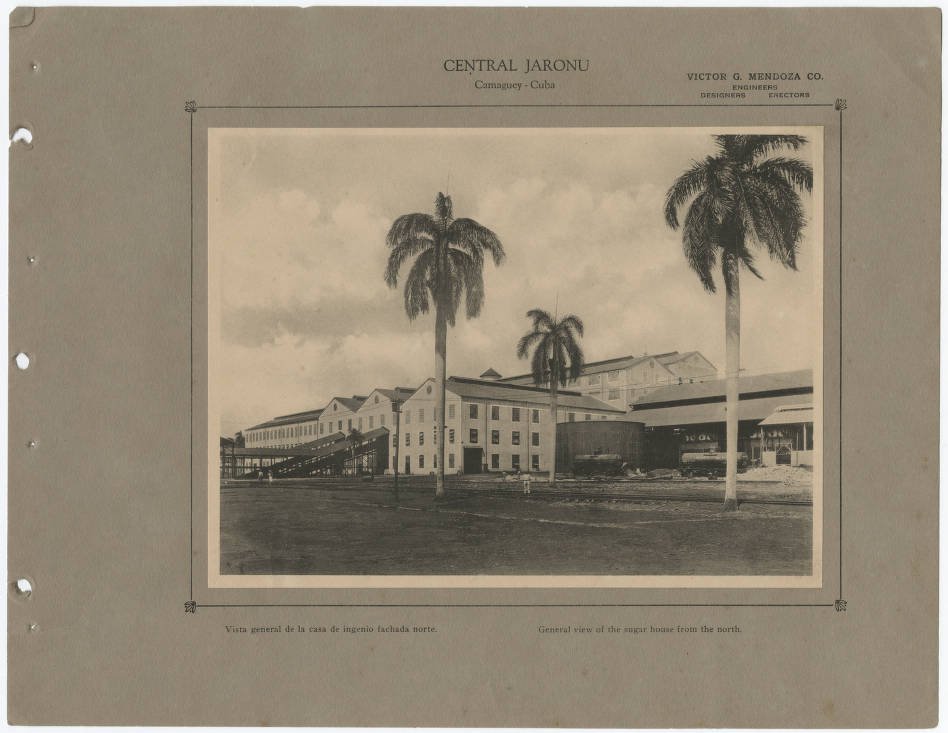
Central Jaronú
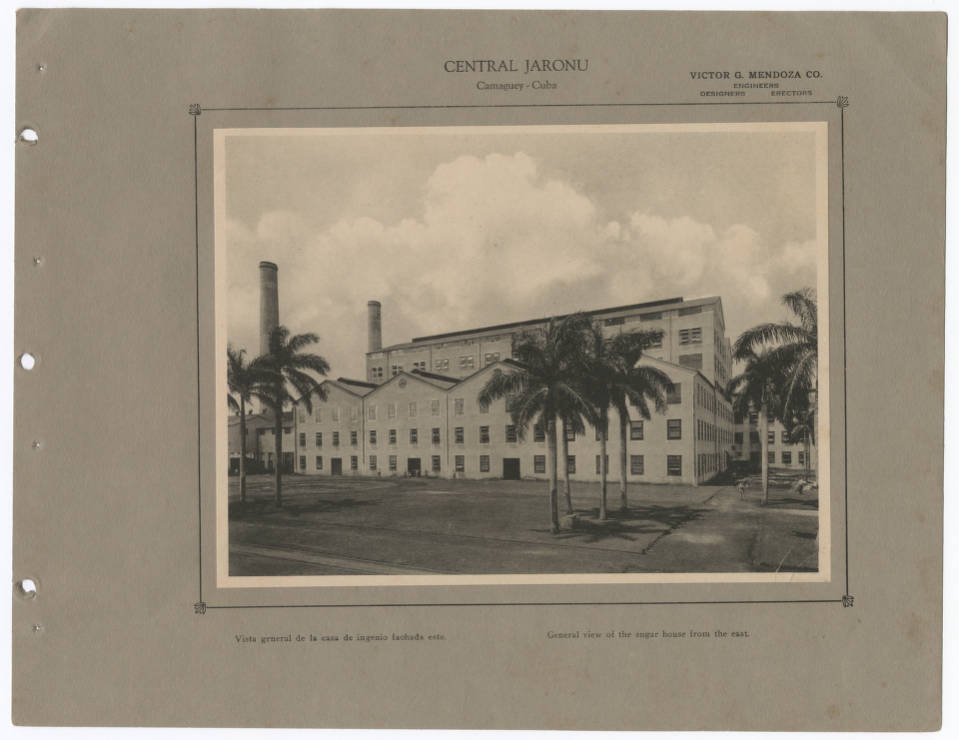
Central Jaronú
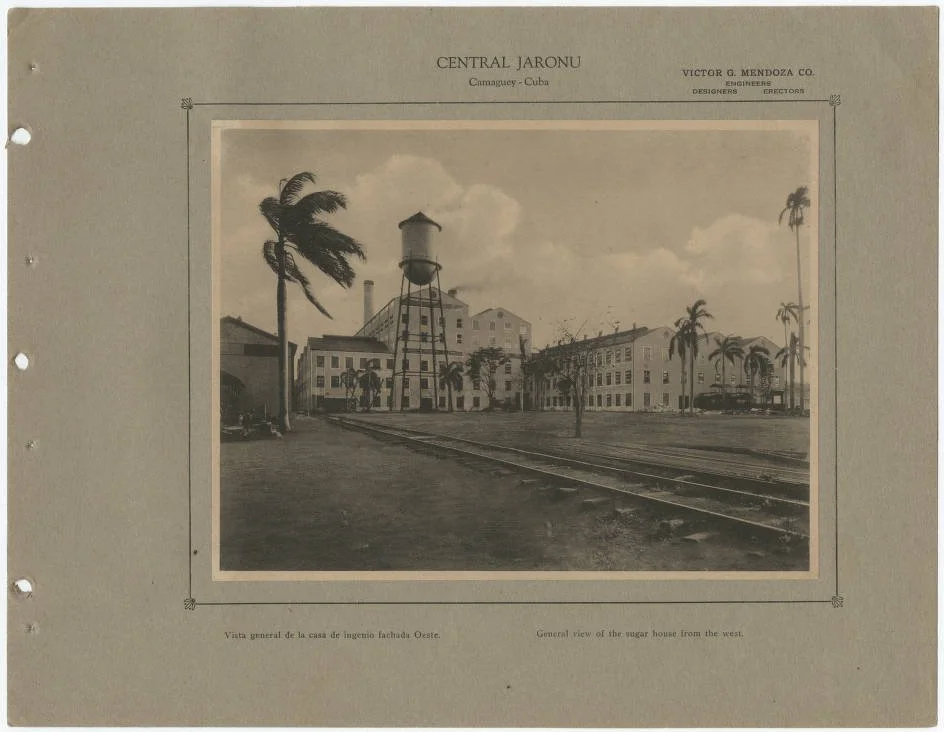
Central Jaronú
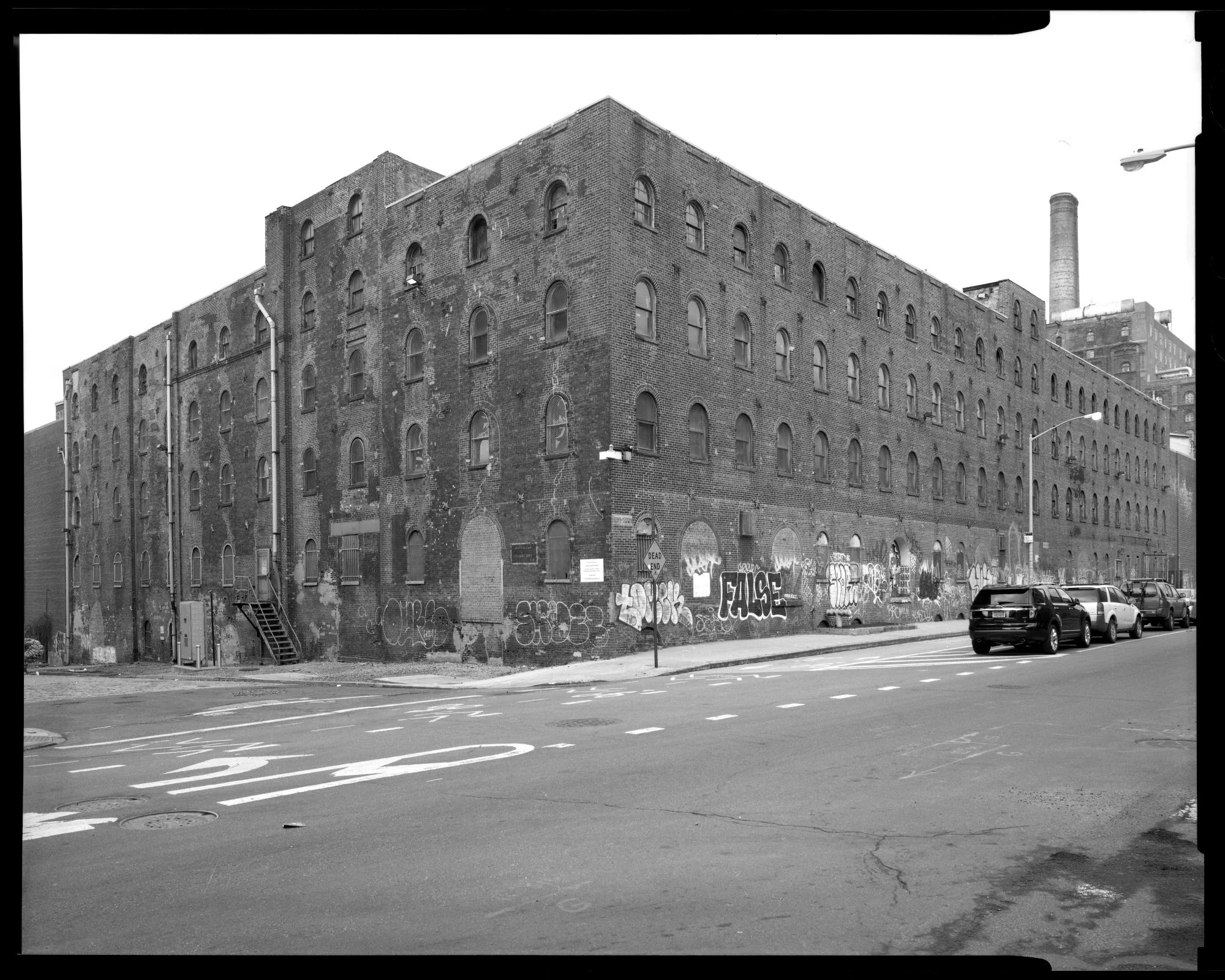
Avant House