Blás Silva Boucher
Blas Cornelio Silva Boucher (1869–1949) was born in Mayagüez to the marriage of Francisco Silva Ponce de León and Andrea Boucher Bayrón. His early studies were held at the Escuela La Monserrate in Mayagüez and starting in 1887 at the Liceo de Mayagüez. In 1892 he was awarded a scholarship by the Sociedad Protectora de la Inteligencia in San Juan, a charitable institution whose purpose was protecting the intelligent and destitute youth, to study engineering in Madrid where he initially enrolled at the Escuela de Ingenieros de Caminos, Canales y Puertos [1] and then at the Spanish National Engineering School, from where he graduated with a degree in Engineering in March, 1900.
That same year he returned to Puerto Rico and in 1901, at the invitation of pharmacist Fidel Guillermety, he joined the US Department of the Interior administered Office of Public Works as an engineer. His first assignment was the completion of the road from Mayagüez to Las Marías and the construction of the ten kilometer road from San Sebastián to Lares. In November, 1902 he married Rosa Baez Abril , the granddaughter of deposed Dominican President Buenaventura Baez whom he had met in 1886 during a visit to her grandfather in Hormigueros where his maternal grandmother Felícita Bayrón owned Hacienda Magas. He remained at the US Department of the Interior until November, 1903. The following months until July 1904, Silva Boucher did several surveying jobs for Ramón and Gervasio Gandía Córdova at the newly established Central Cambalache and at Central Plazuela.
In July 1904 then Mayor of Mayagüez José A. Menéndez hired Siva Boucher as Inspector of Public Works, however, just a month later he resigned to accept the job as Municipal Engineer in Ponce whose Mayor then was Manuel V. Domenech. His work as Municipal Engineer was so esteemed, during the next four years he continued in his job under three different mayors; Luis Valdivieso, Santiago Oppenheimer Bettini and Simón Moret Gallart. During this time he also established a private practice completing designs for the Guayama Marketplace, the Alvarado residence in Ponce and improvements to the Crédito y Ahorro Ponceño building that were never made as deemed too costly by the bank’s management.
In January 1911 Silva Boucher resigned his position as Ponce Municipal Engineer and worked exclusively in his private practice. He is credited with the design of forty one private residences in Ponce as well as several comercial and warehouse structures and with the creation of the Ponce Creole architectural style, exemplified in some of his major works that still stand and are pictured below. Three of his designs have been included in the National Register of Historic Places: Frau-Subirá Residence, Font-Ubides Residence and Salazar-Candal Residence.
In 1915 Silva Boucher again assumed the position as Municipal Engineer in Ponce, position he held until 1920 during which time he worked under three different mayors; Rafael Rivera Esbri, Luis Yordán Dávila and Rodulfo de Valle. In 1920 after the end of WWI, he returned to private practice and in 1924 he was appointed by then Commissioner Guillermo Esteves as engineer at the US Department of the Interior, position he held until his death in 1949 except for a time in 1932 he worked in his private practice and between 1935 and 1934 when he worked for the Puerto Rico Emergency Relief Administration (PRERA). During his time at the Department of the Interior, he travel extensively and spent the work week away from his family home in Ponce. Finally, in 1947 Silva Boucher and his wife sold their house in Ponce and relocated to San Juan where he died in January, 1949.
Architect Enrique Vivoni Farage and Mary F. Gallart Calzada in their book Blas C. Silva Boucher: Intimidades de un Ingeniero write extensively about the life of Silva Boucher and his work. The book is based on Silva Boucher’s own handwritten documents kept throughout his lifetime.
________________________________________________________________________
[1] Today part of the Technical University of Madrid or as it is sometimes called, the Polytechnic University of Madrid (Universidad Politécnica de Madrid, UPM) founded in 1971 as the result of merging different technical schools of Engineering and Architecture originating mainly in the 18th century.
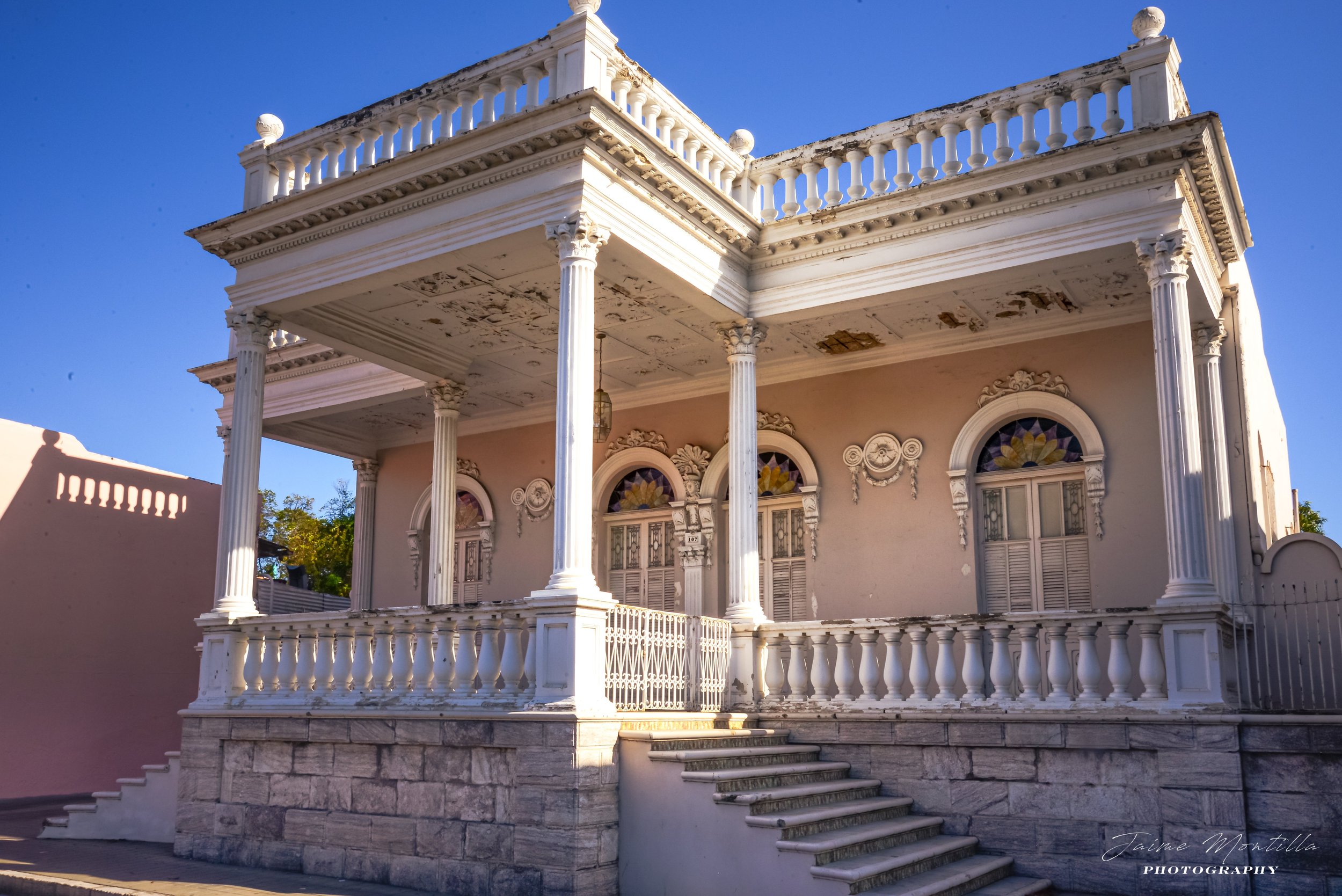
Casa Frau-Subirá, Ponce - 1910 design for Asisclo Subirá Ramírez de Arellano and his wife María Echevarría Alvarado as a wedding gift to their daughter Concepción Subirá Echevarría and her husband Manuel Frau de la Sierra.
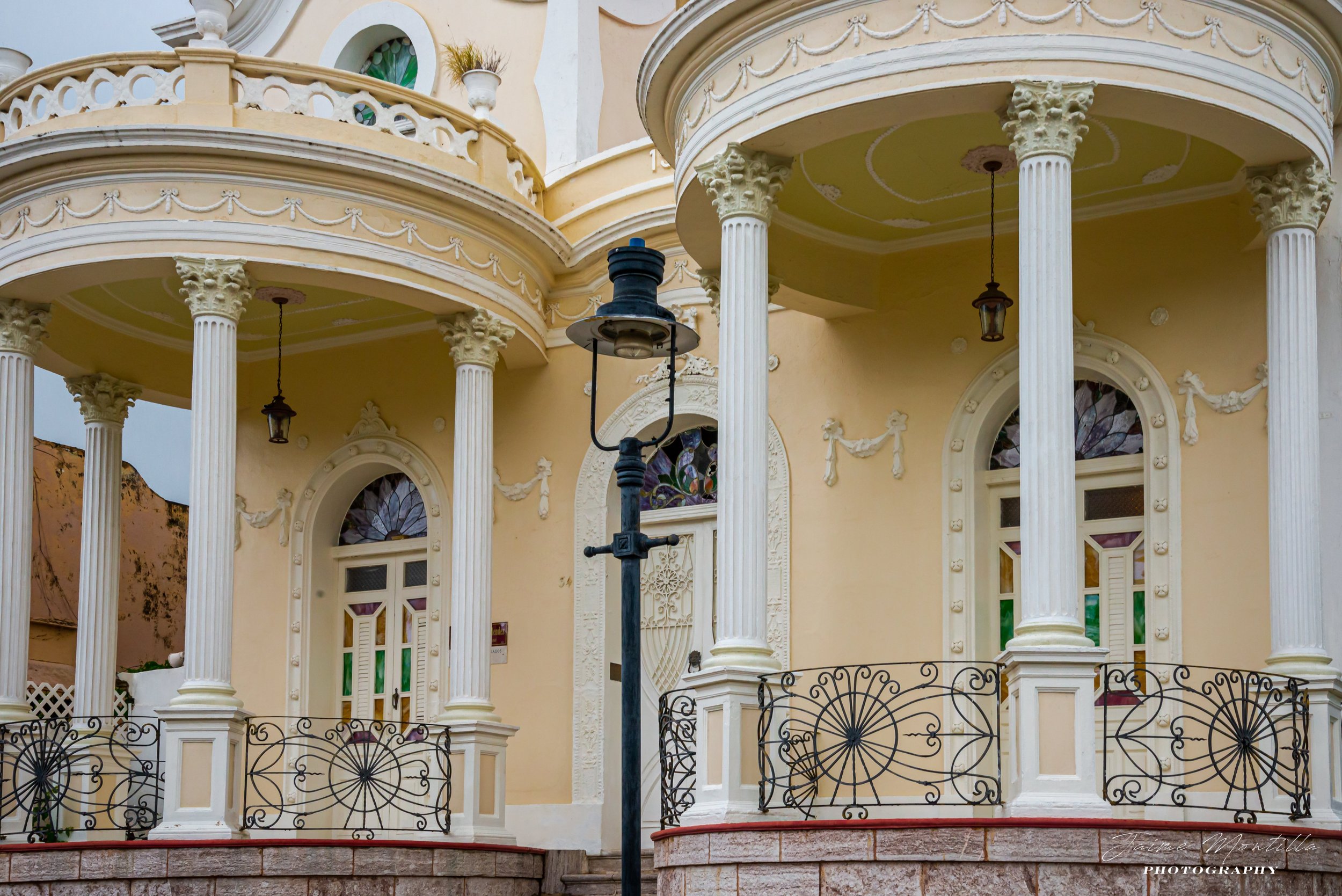
Font-Ubides residence, Ponce - 1912 design consisting of a blend of neoclassical symmetry with Art Nouveau for liquor manufacturer industrialist Federico Font Delord and his wife Prudencia Ubides Aponte.
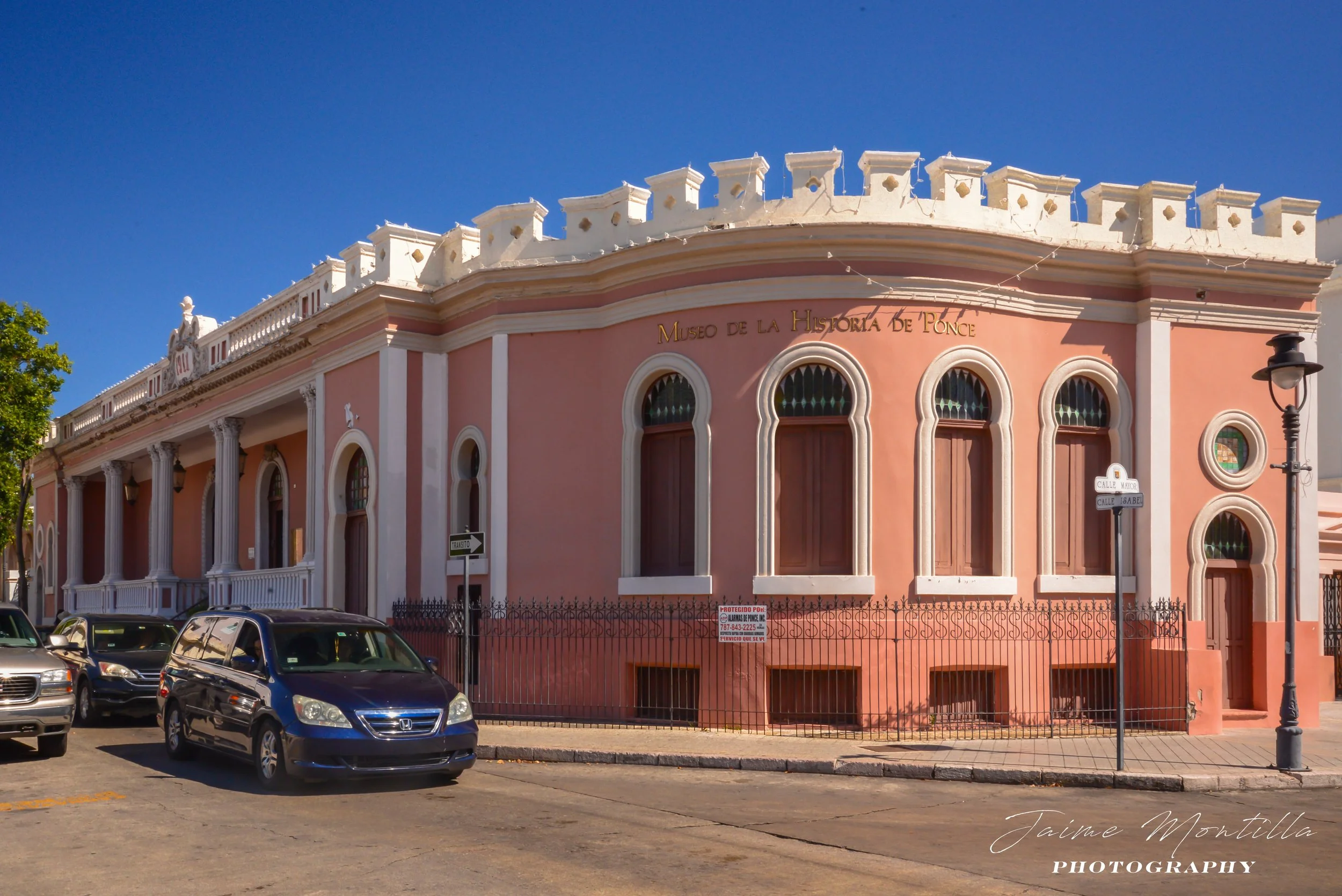
Casa Candal-Salazar, Ponce - 1911 originally designed for Dr. Guillermo Salazar Palau as his residence and office, was later the residence of his daughter Sara Salazar and her husband Joaquín Candal. Today it is the site of the Museum of the History of Ponce.
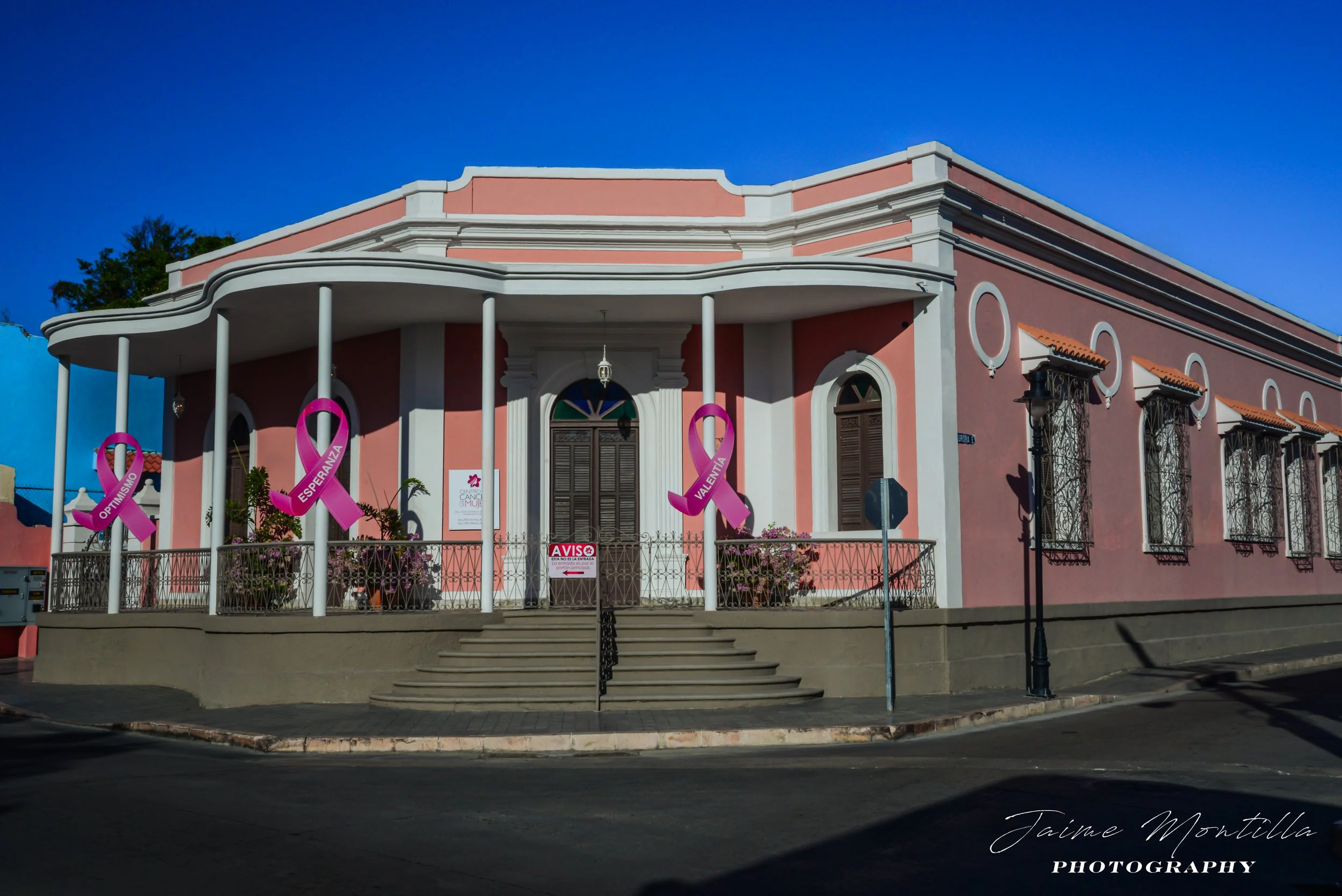
Aurelia Alonso Muñoz vda. Guerrero residence - 1909 design