Francisco Porrata-Doria
Francisco Luis Porrata-Doria Gutierrez de Pando (1890-1971) was born in Ponce Luis Porrata-Doría, mayor of Ponce in 1898, and Ana Gutiérrez de Pando. He went to the Ponce High School receiving his High School diploma in 1909. That year he enrolled at Cornell University graduating in 1913 with a degree in engineering. In the summer of 1912 he took advanced architectural coursework at Columbia University, receiving a certificate in architecture.
Upon his return to his native Ponce, he became director of Public Works for the Municipality of Ponce until 1916, during which time his most important public work was the design of the town square known as Plaza Degetau. In 1915 he married Isabel Armstrong Pou, daughter of Carlos Armstrong, owner of the Casa Armstrong-Poventud across from the Ponce Cathedral designed by Manuel V. Domenech. In 1939, after the death of his wife the previous year, he married his second wife Gloria de la Pila Valdecilla, daughter of Dr. Manuel de la Pila Iglesias for whom he designed a hospital building known as Clinica Dr. Pila pictured below.
From 1916 to 1935, Porrata-Doria practiced as an engineer and architect in Ponce during which time he designed several churches for the Catholic Church, numerous prestigious homes and commercial buildings most notably the Crédito y Ahorro Ponceño (1924), Banco de Ponce (1924) and the Edificio Fortaleza (1926) buildings fronting Plaza Degetau. In 1936 Porrata-Doría became project engineer for the Puerto Rico Reconstruction Administration while also being consulting engineer for the city of Ponce participating in the design and rebuilding of several public buildings in the city. From 1942 to 1956 he worked as official architect for the engineering division of the Puerto Rico Electric Power Company then known as the Autoridad de Fuentes Fluviales.
Among his work, Porrata-Doria is often times erroneously credited with the design of Teatro La Perla in Ponce, however, although he was responsible for its reconstruction with better acoustics after the 1918 San Fermín Earthquake, the theater was rebuilt using the original 1860 plans of Juan Bertoli Calderoni. His extensive designs of catholic churches throughout the island is documented in the ebook Los Templos de Francisco Porrata-Doria by José Mari Mutt also available free on the Apple Books application.
Porrata-Doria was not exempt from the modernist trend that influenced the architectural landscape of the island during the second half of the 20th Century as evidenced by his design of the Farmacia Gonzalez Building at the Ponce town square across the street from the old firehouse built on a lot that was at one time the residence of Ponce mayor José Ortiz de la Renta Sanchez (1765-1850), and later housed the third location for the Casino de Ponce. It is a clear example of the shift in style he adopted during the latter part of his career,
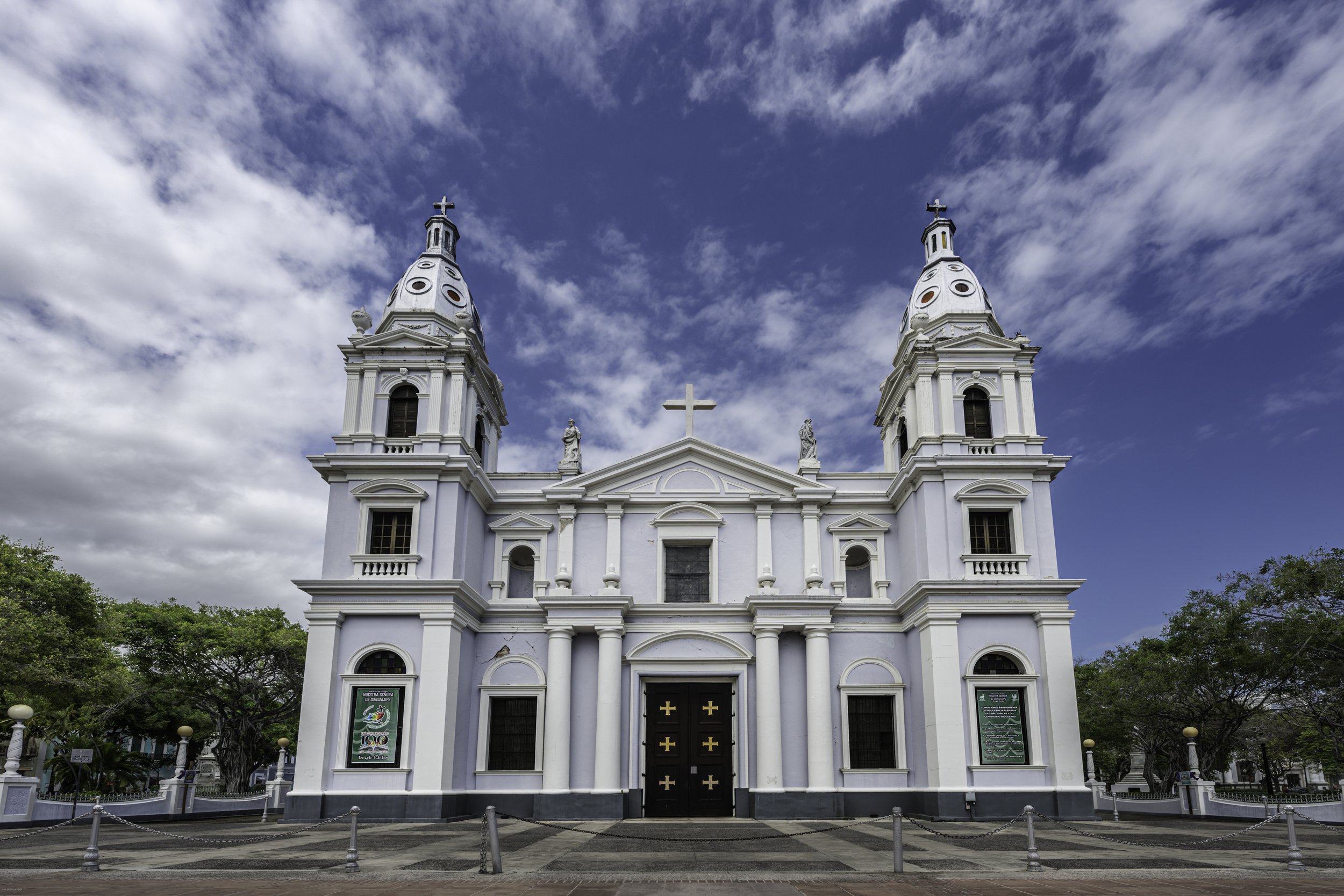
Catedral de Nuestra Señora de la Guadalupe - Ponce, 1934.
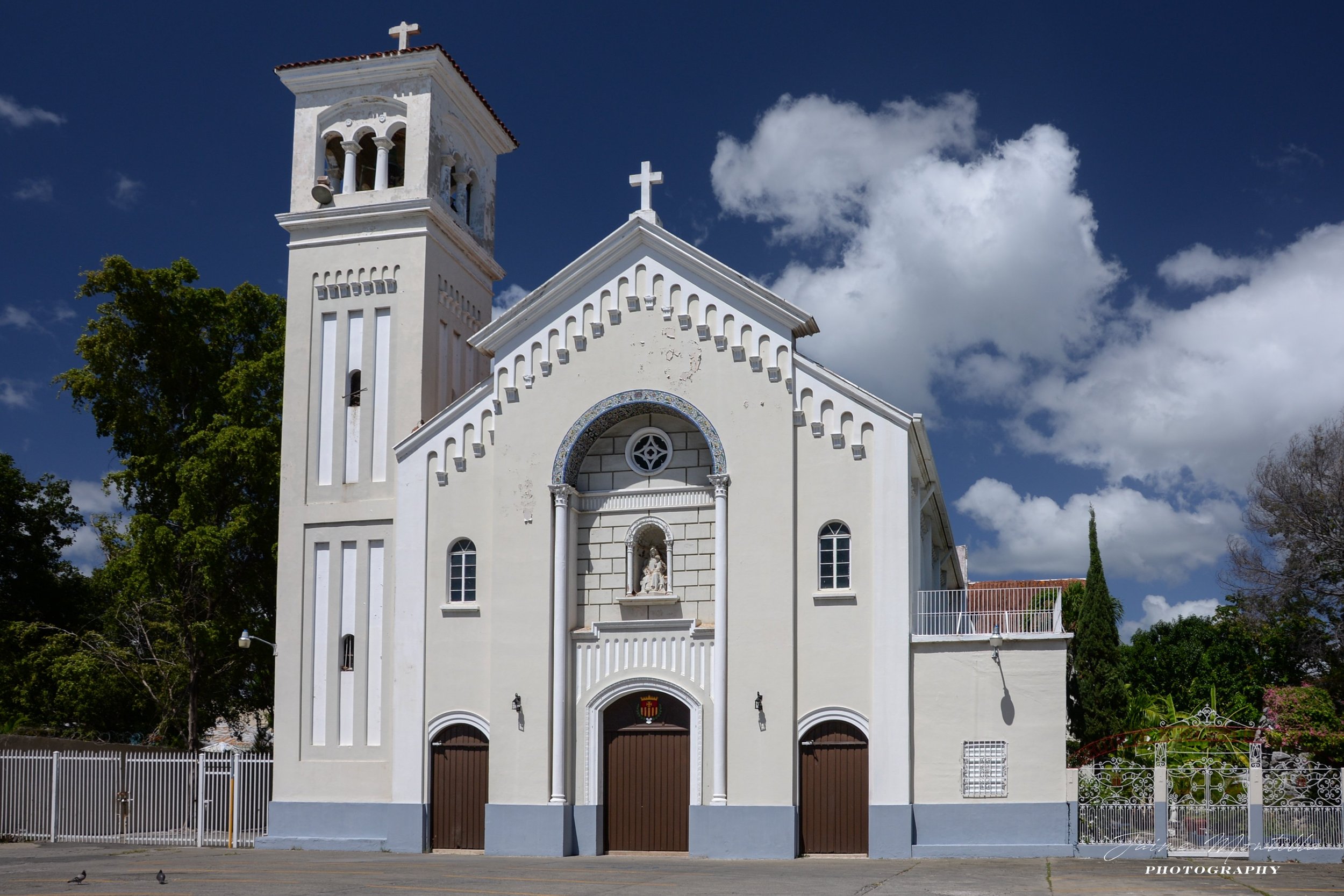
Iglesia de Nuestra Señora de la Merced, Ponce - 1929
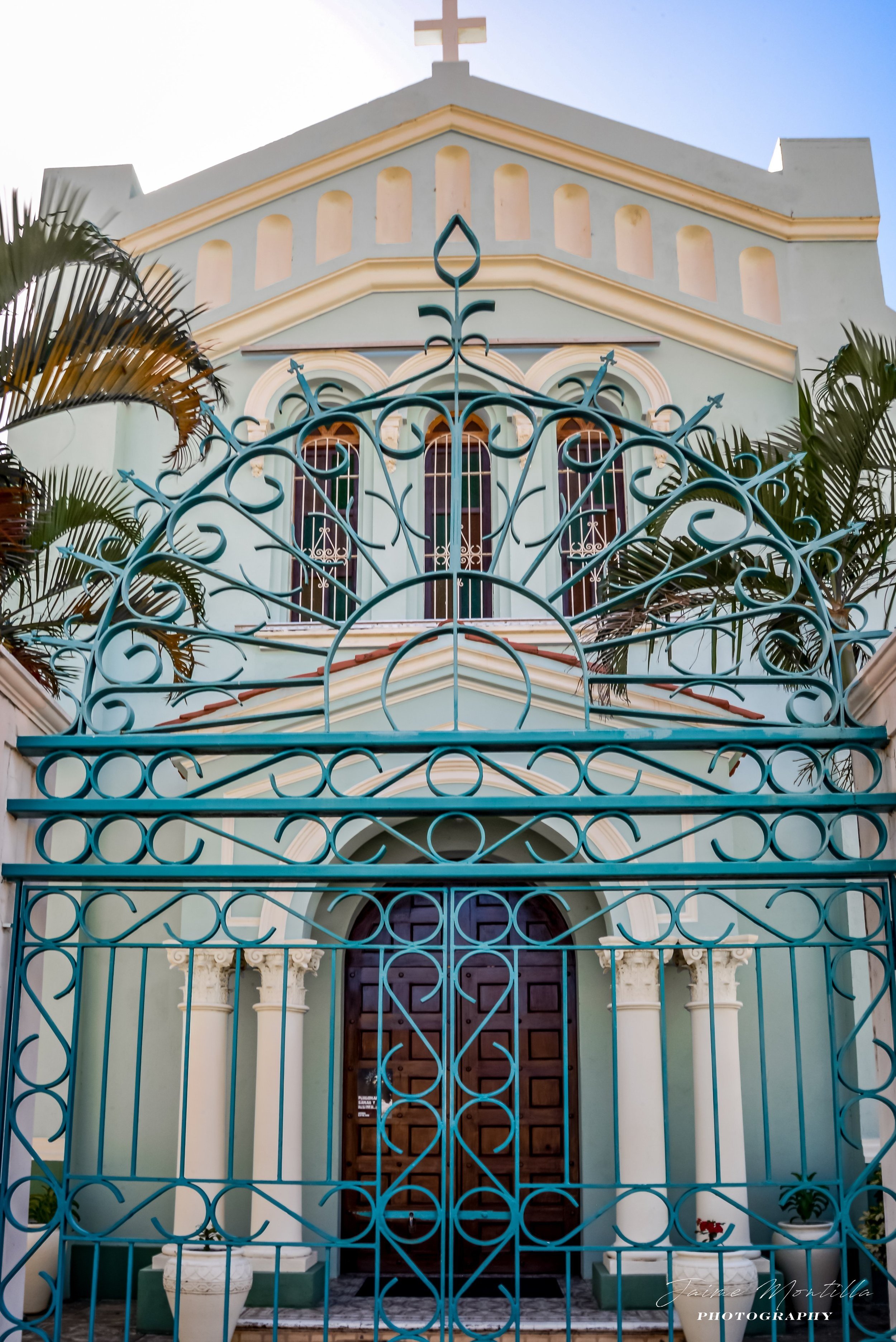
Capilla del Santo Asilo de Damas, Ponce - 1926
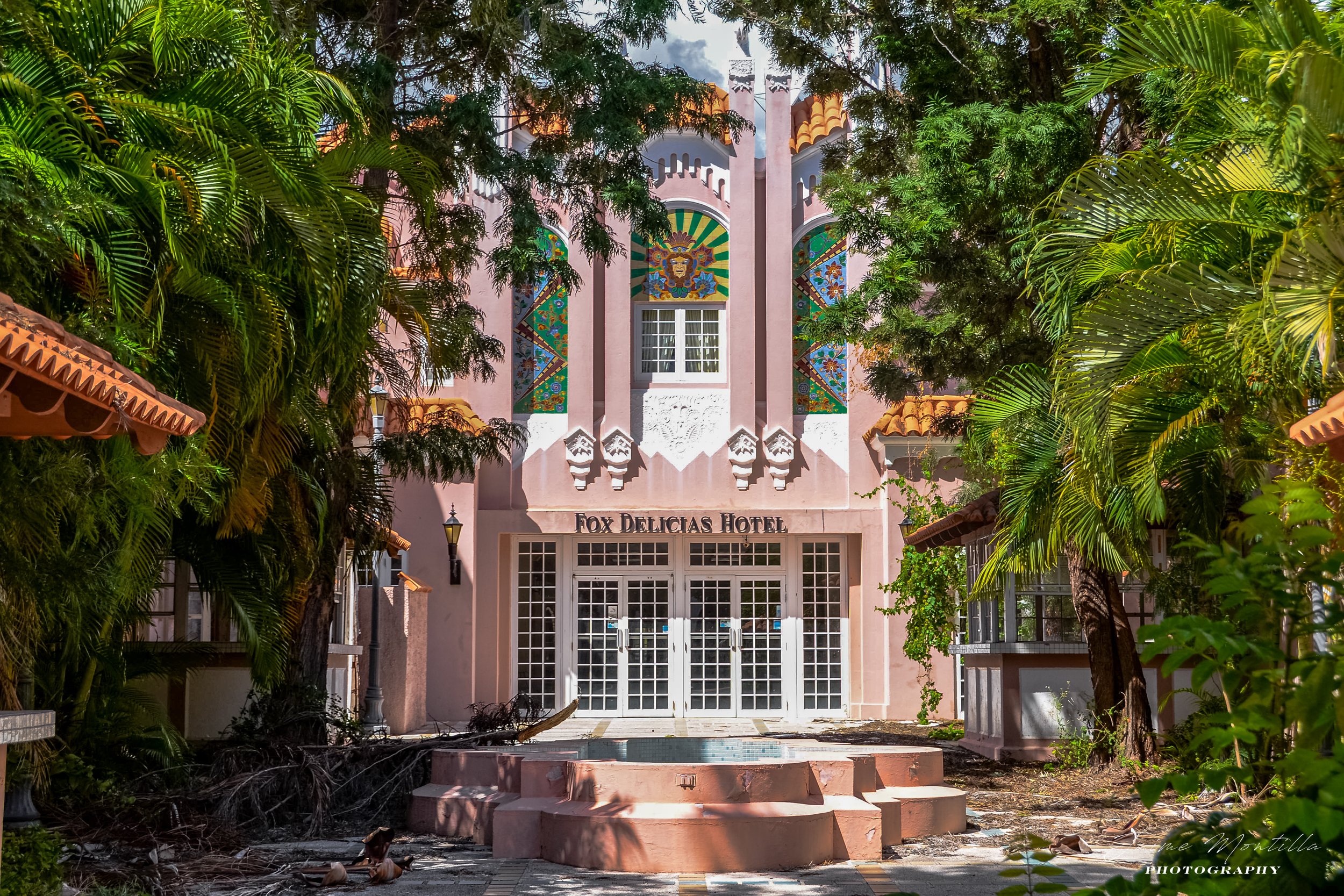
Teatro Fox Delicias, Ponce - 1931
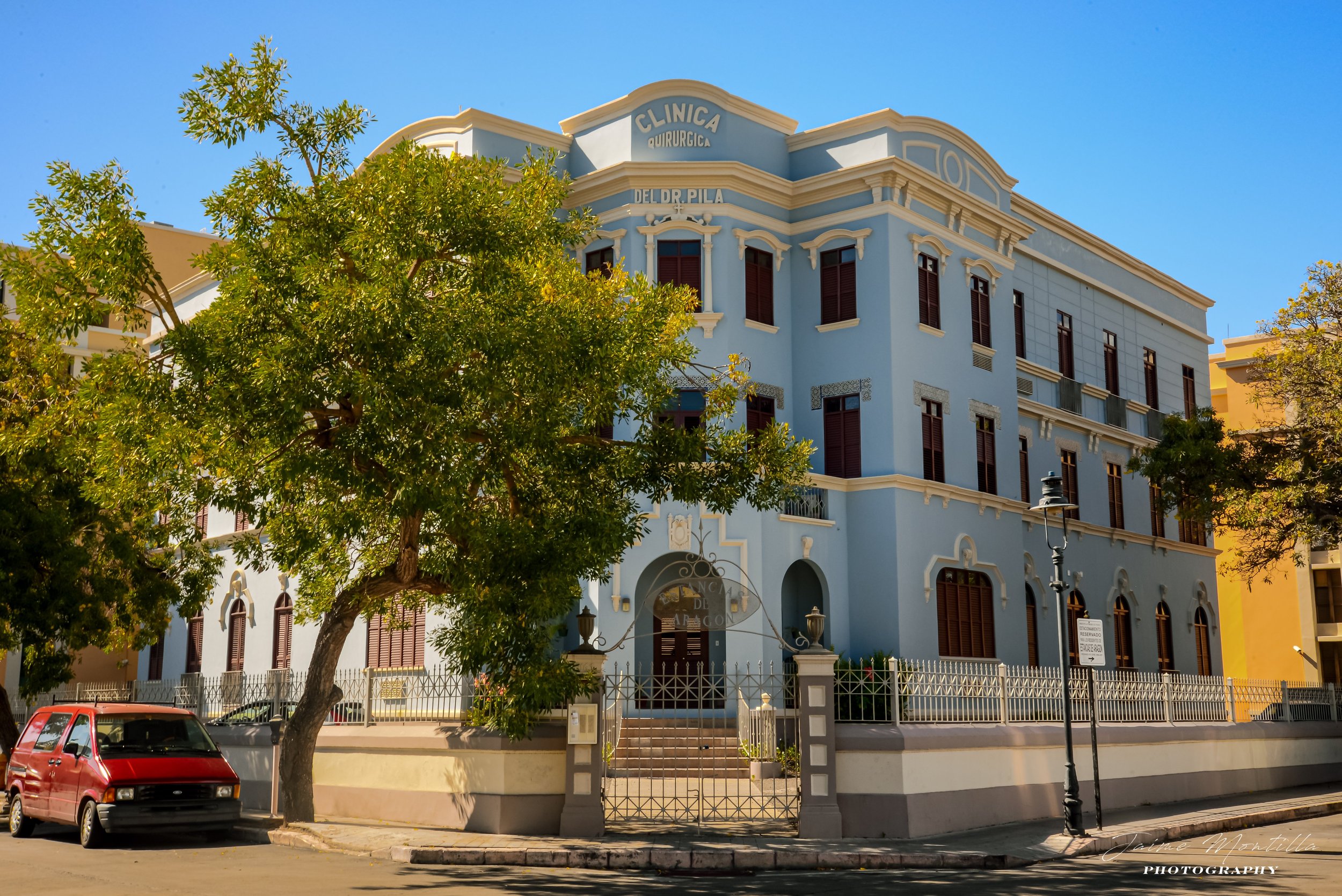
Clinica Dr. Pila, Ponce - 1925 commissioned by his eventual father-in-law Dr. Manuel de la Pila Iglesias.
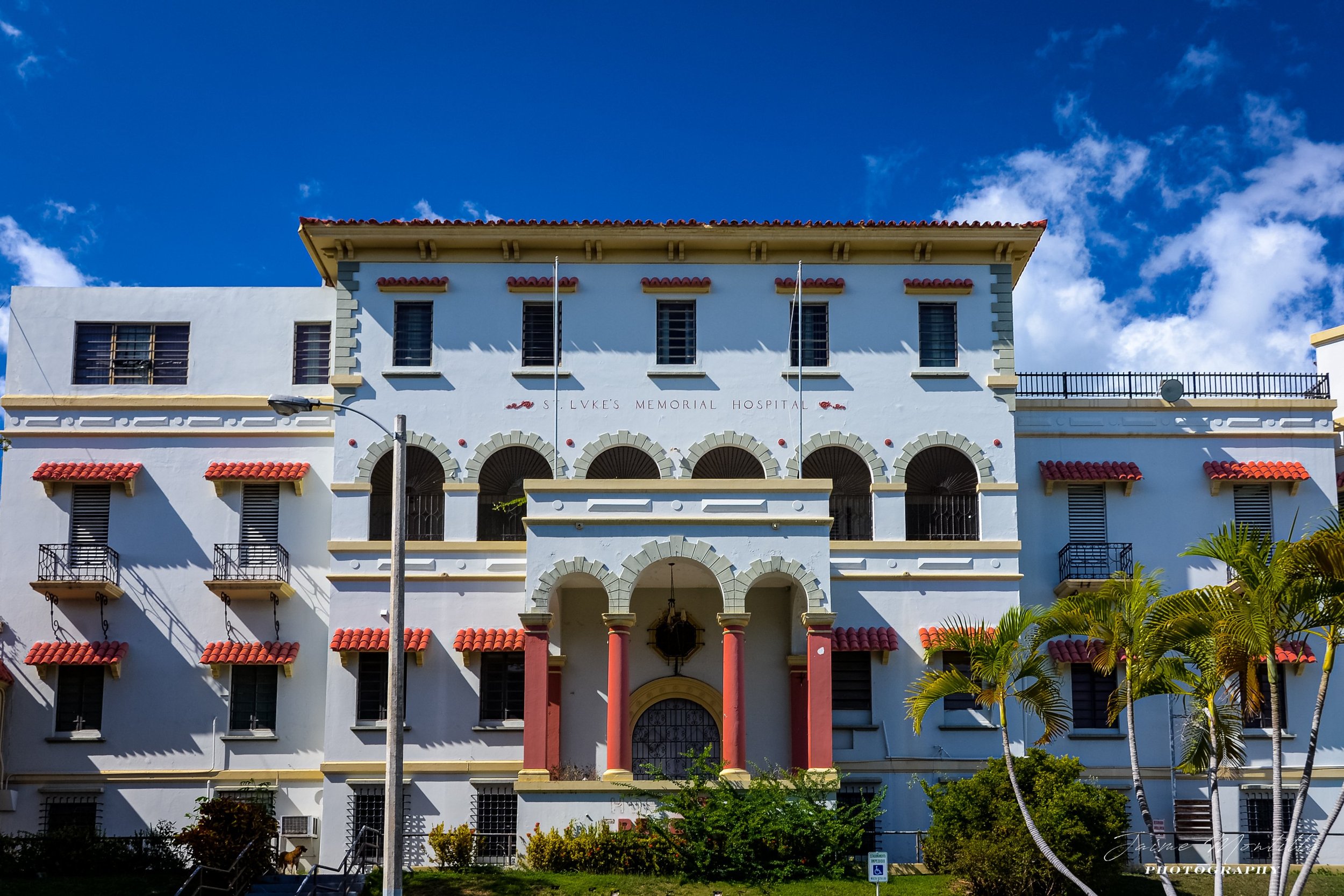
Hospital San Lucas, Ponce - 1931 to replace the 1907 structure damaged in the 1918 San Fermín Earthquake and the 1928 San Felipe Hurricane
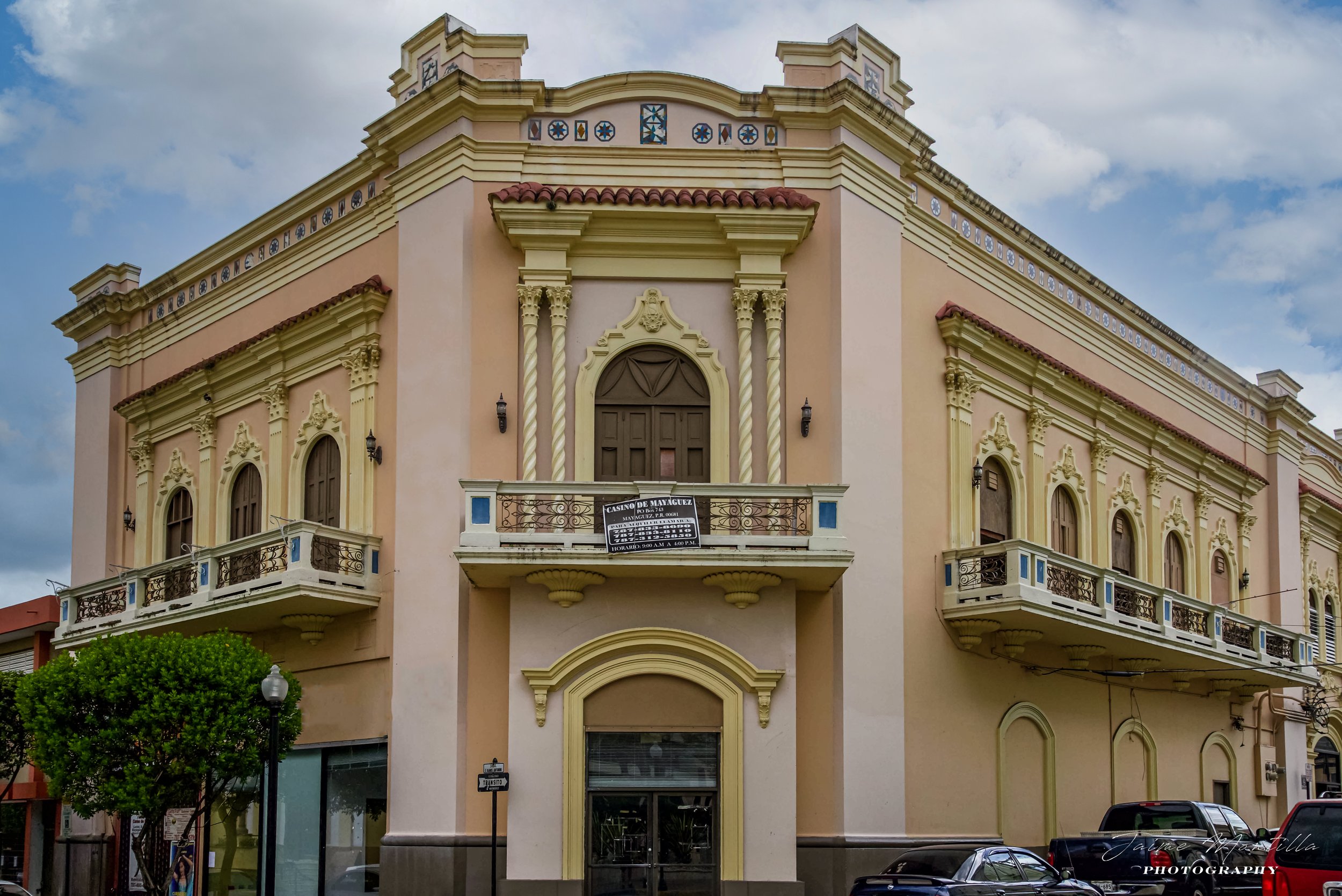
Casino de Mayagüez - 1932
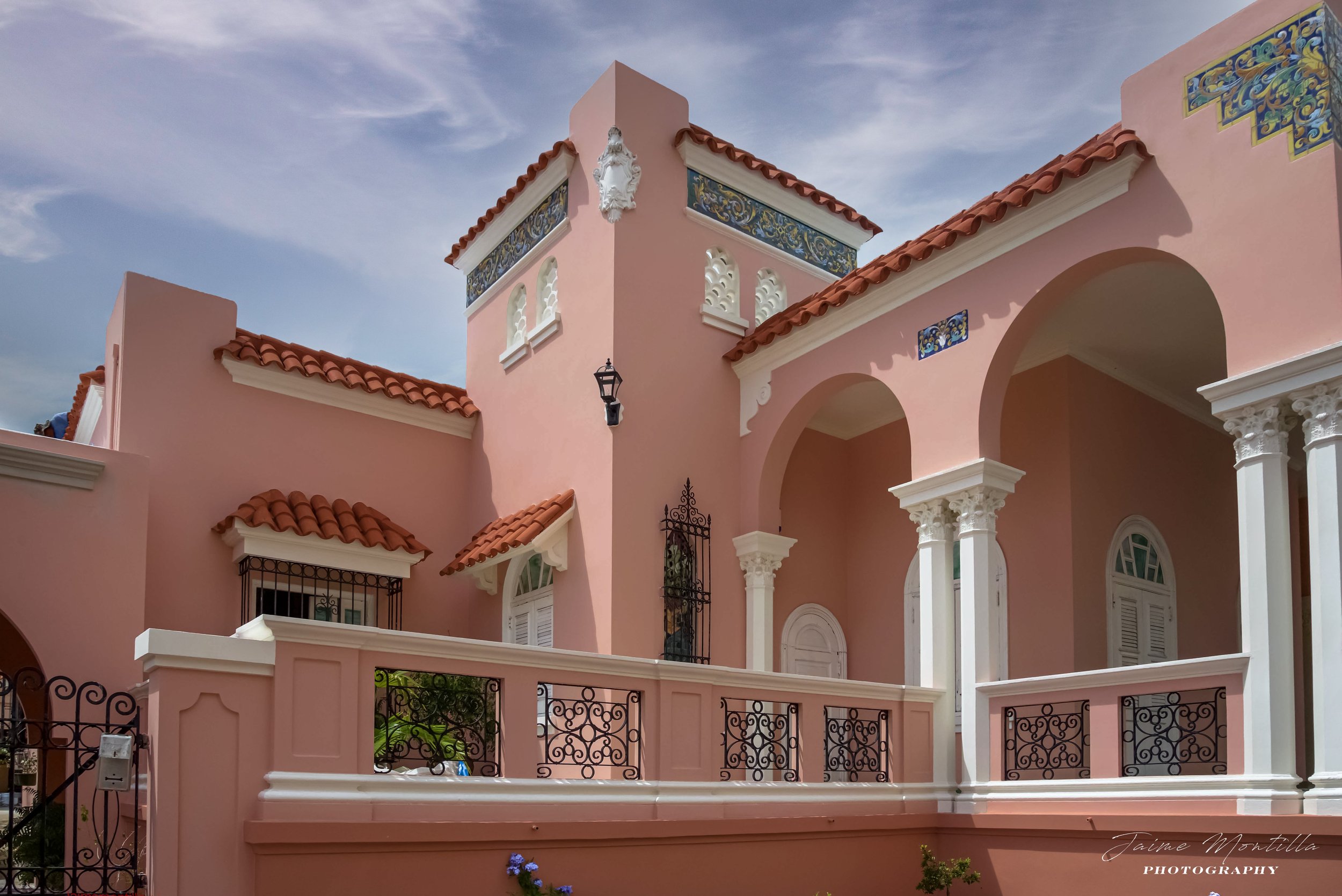
Casa Durán later owned by Luis Gómez Cintrón and his wife Erlinda Monagas, Mayagüez - 1933
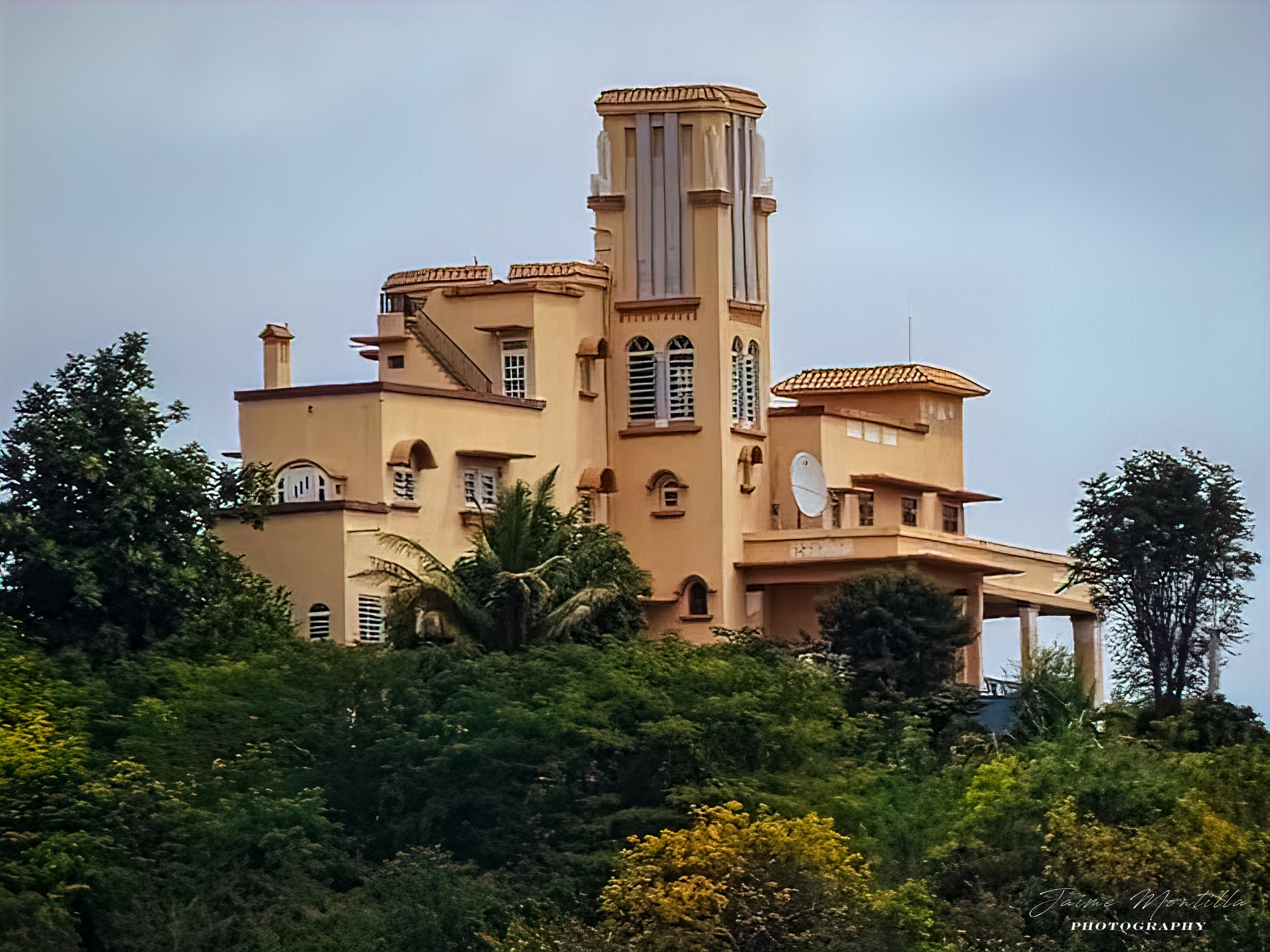
Castillo de Mario Mercado, Guayanilla - 1935 designed for Mario Mercado Riera, son of Mario Mercado Montalvo who lived here the last two years of his life before passing in 1937.
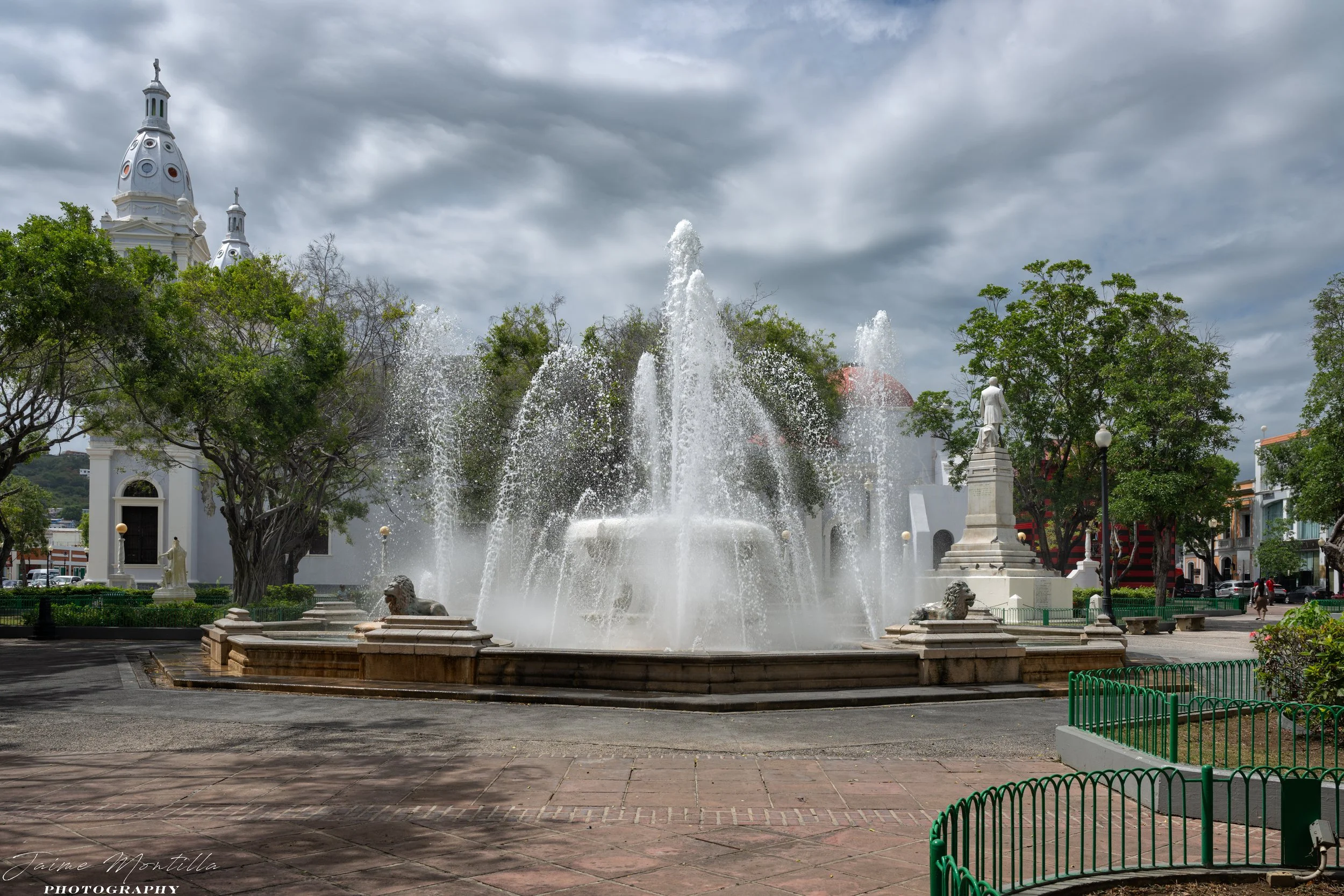
Plaza Degetau - Ponce, 1914 design, the fountain was purchased in 1939 at the New York World's Fair, it replaced the old Arab kiosk a.k.a. Kiosko La Alhambra.
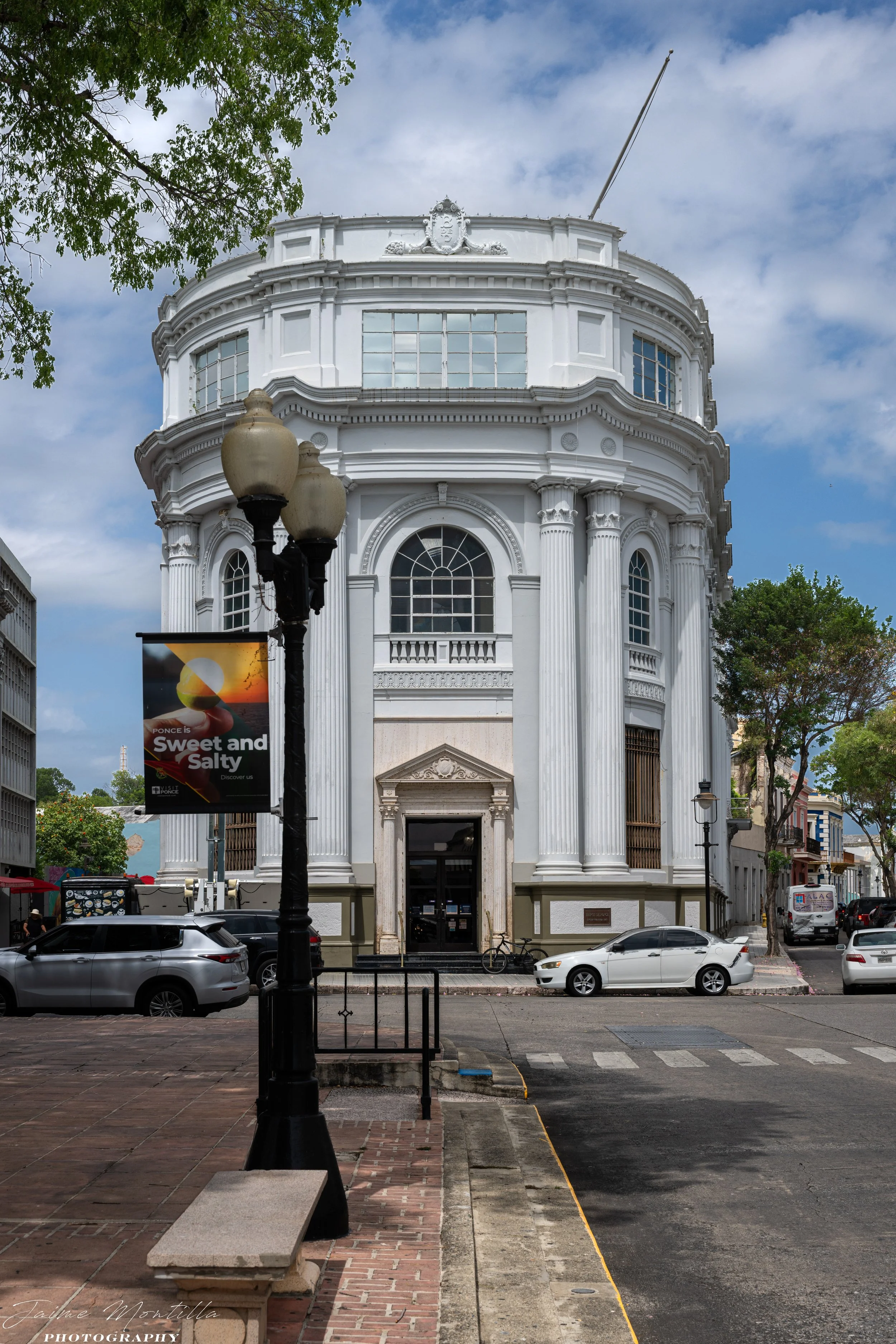
Banco de Ponce, Ponce - 1924
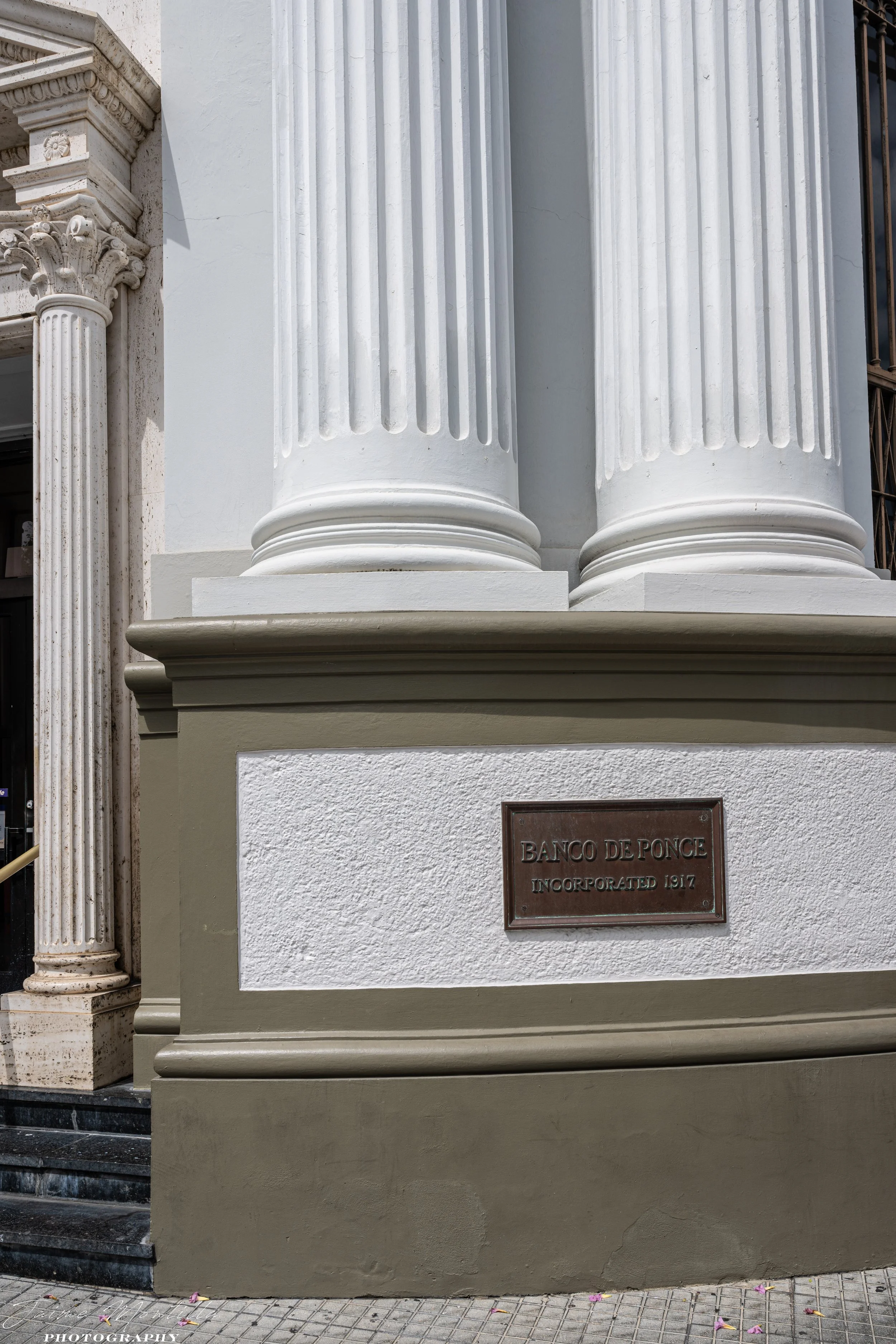
Banco de Ponce, Ponce - 1924
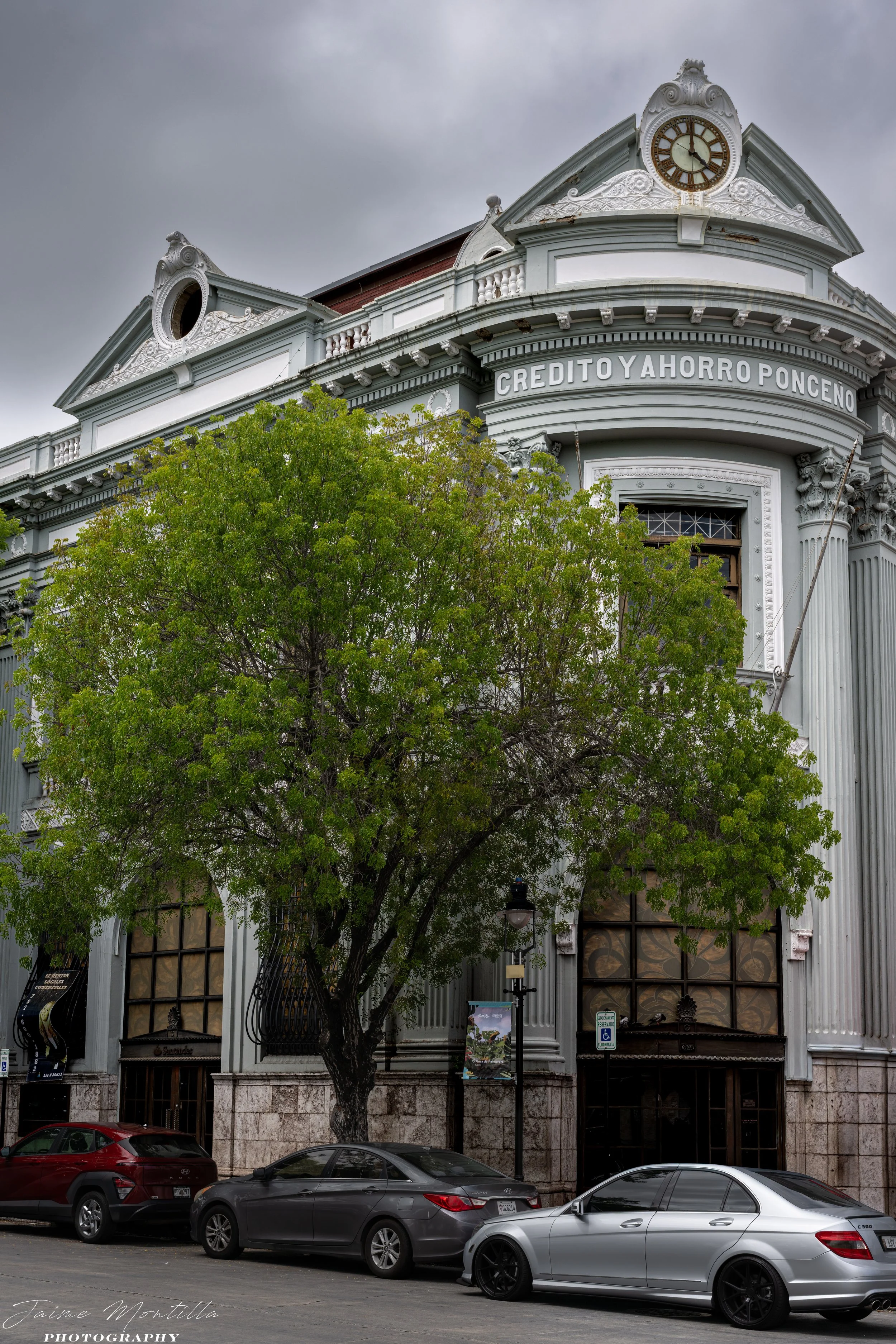
Banco Crédito y Ahorro Ponceño - Ponce, 1924.
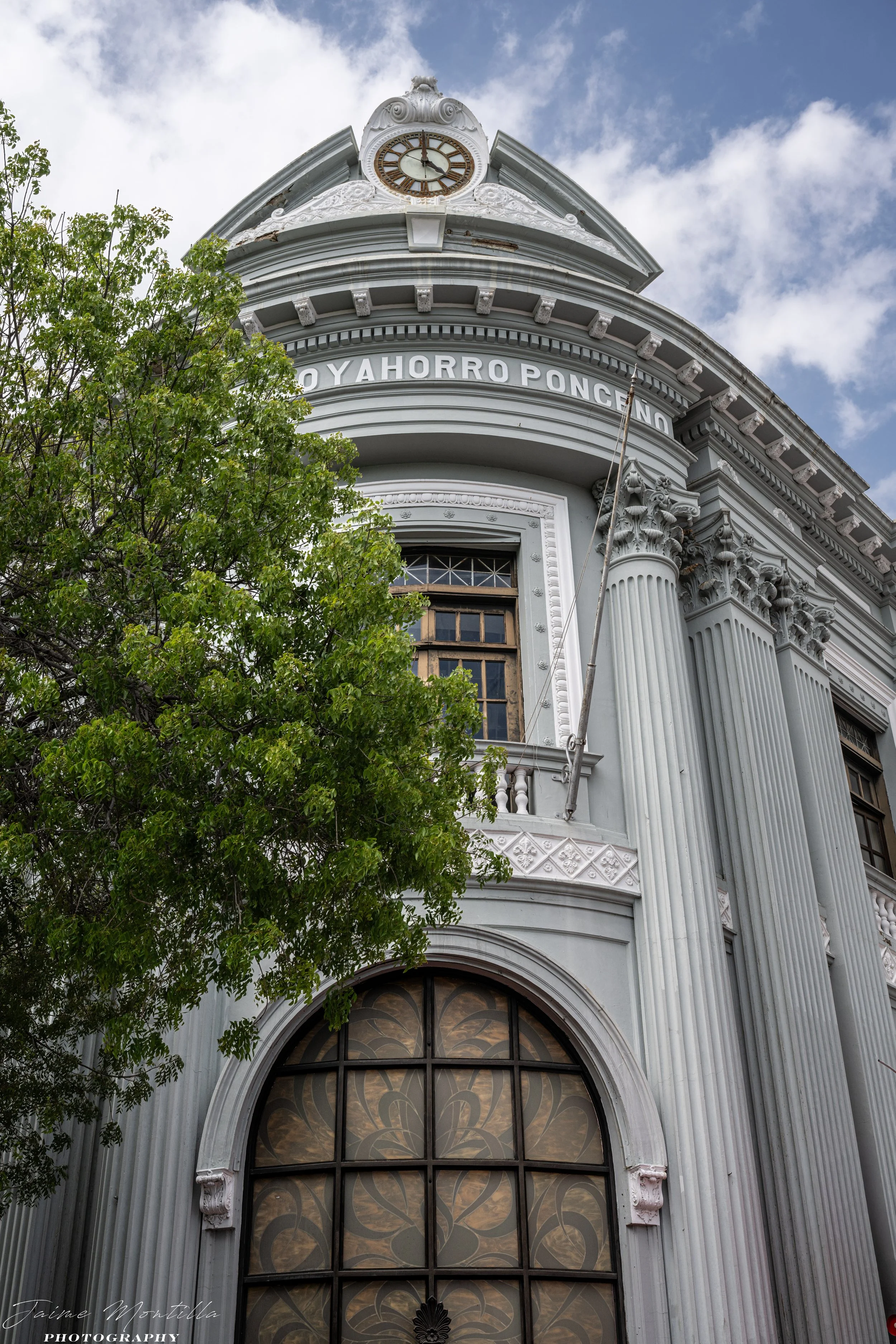
Banco Crédito y Ahorro Ponceño - Ponce, 1924.
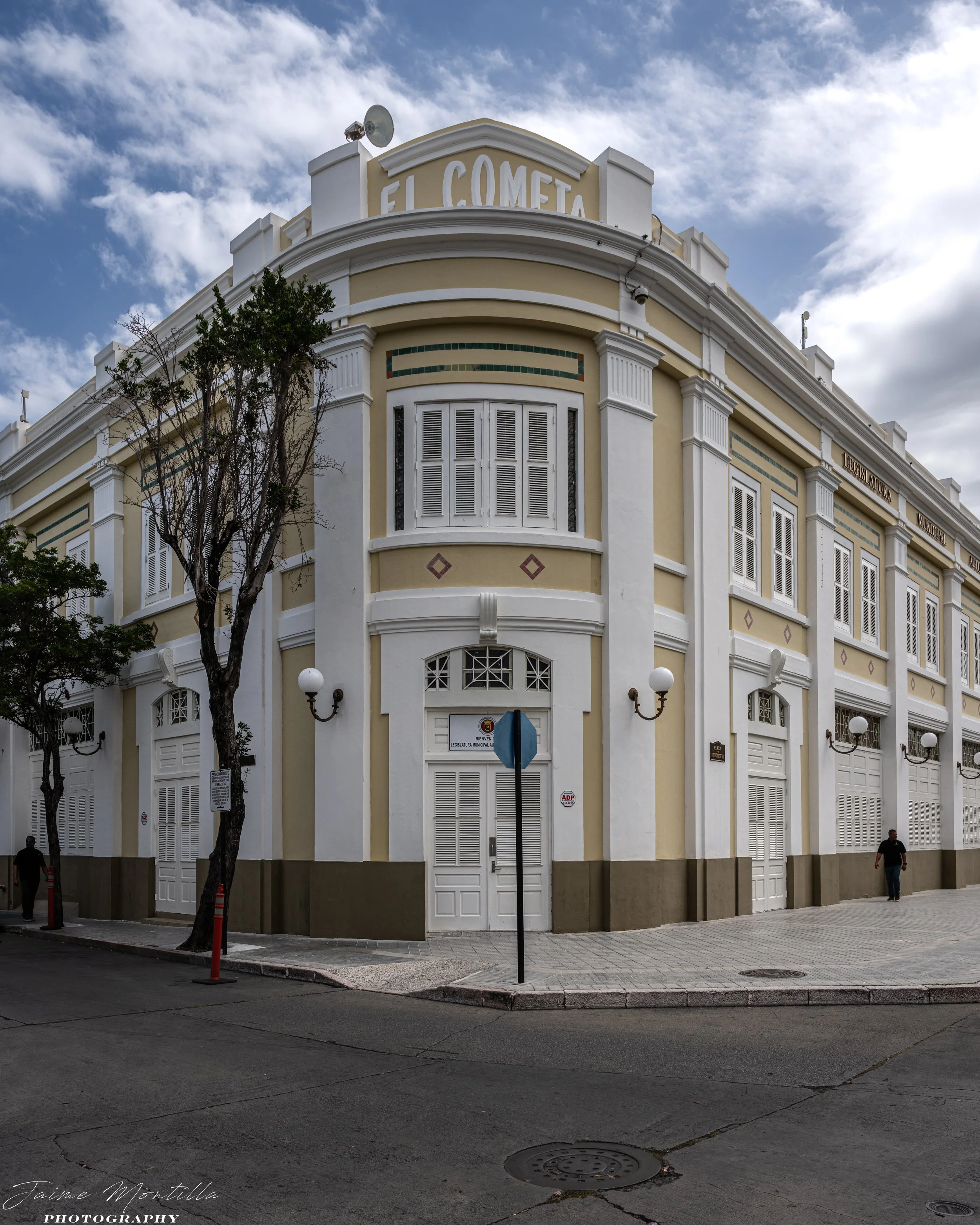
El Cometa - Ponce, 1923 design for the firm Trujullo & Subiña to relocate their hardware store called El Cometa from Ponce Playa.
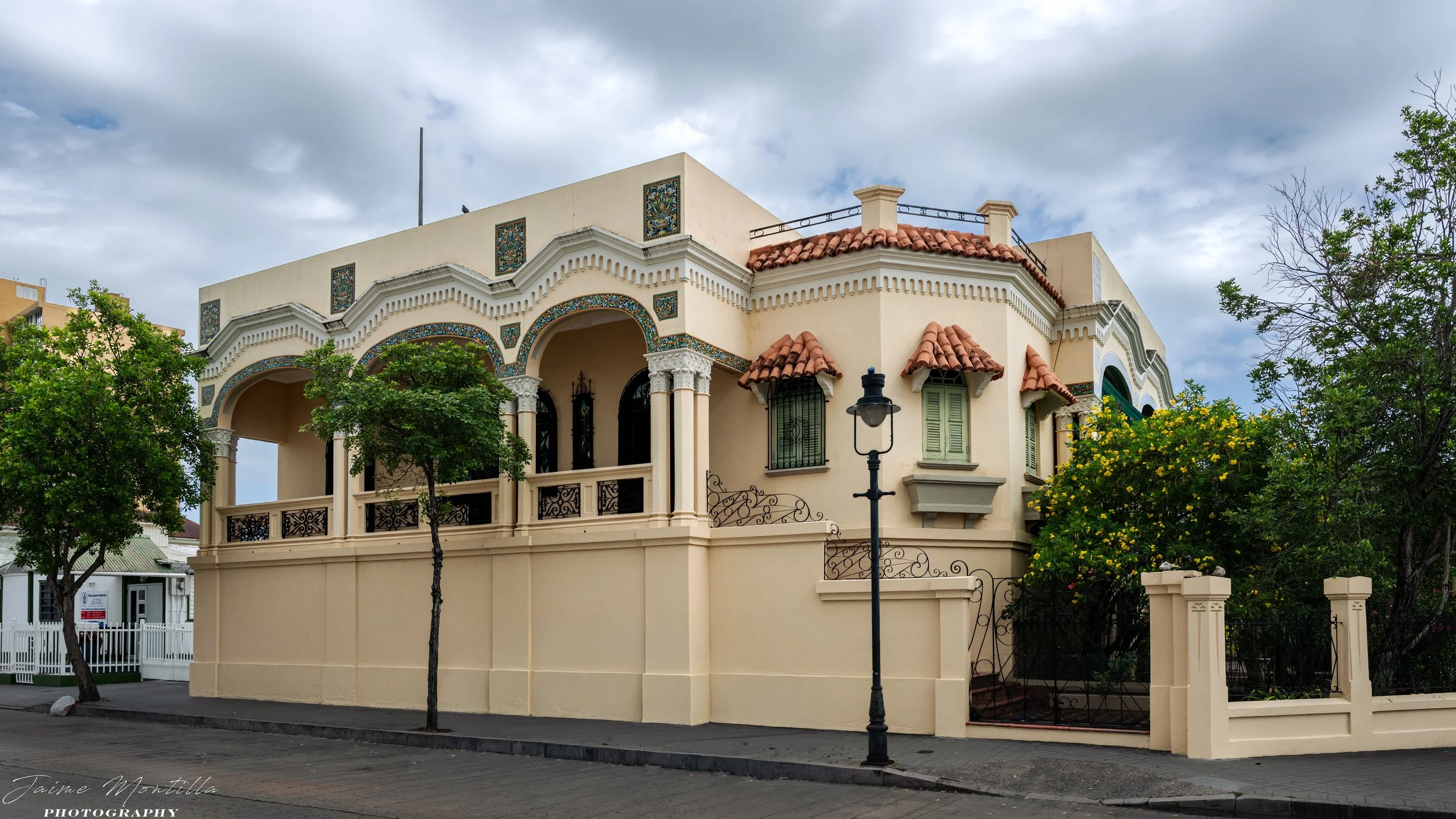
Casa Vidal Gilet, Ponce - 1930
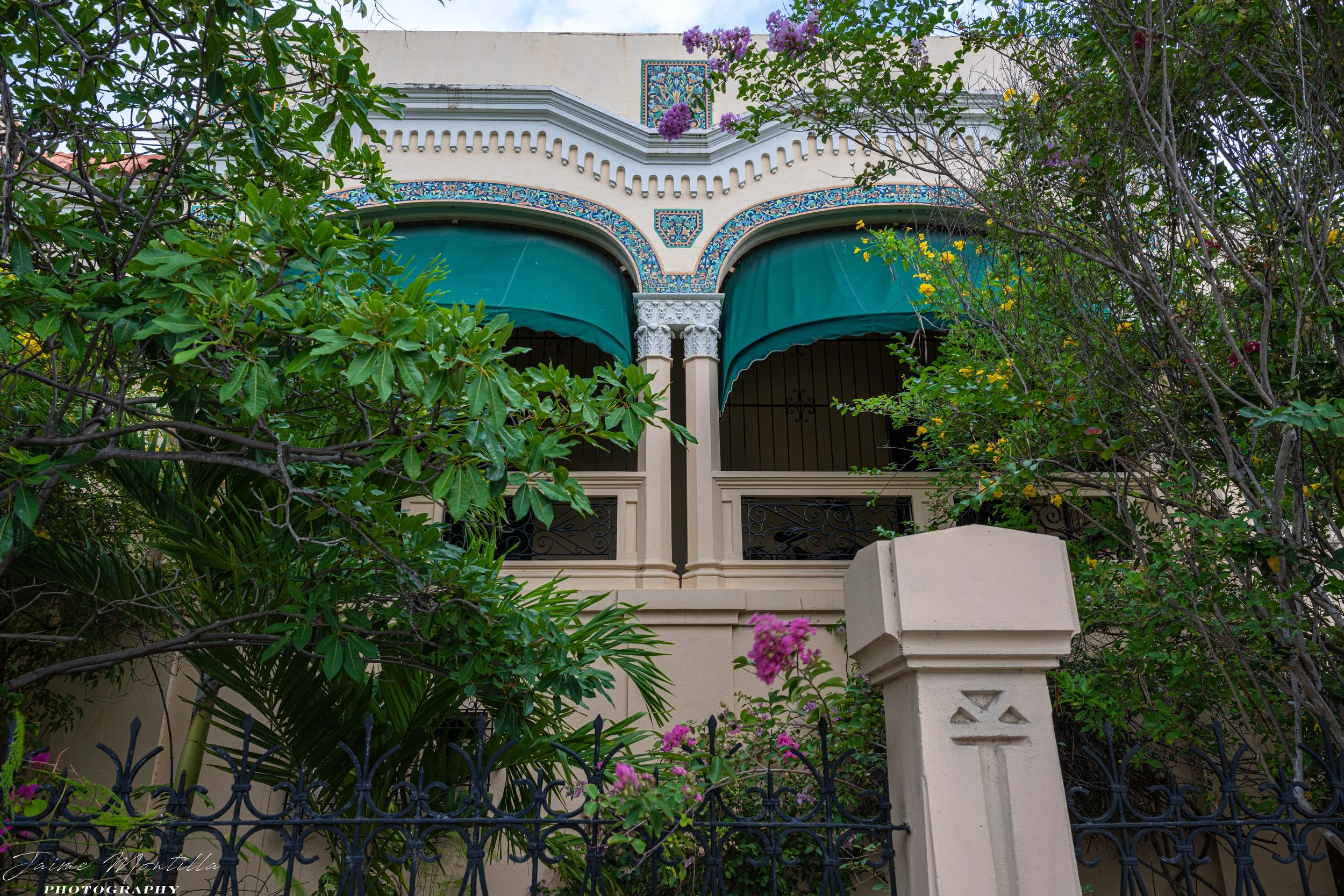
Casa Vidal Gilet side balconies, Ponce - 1930
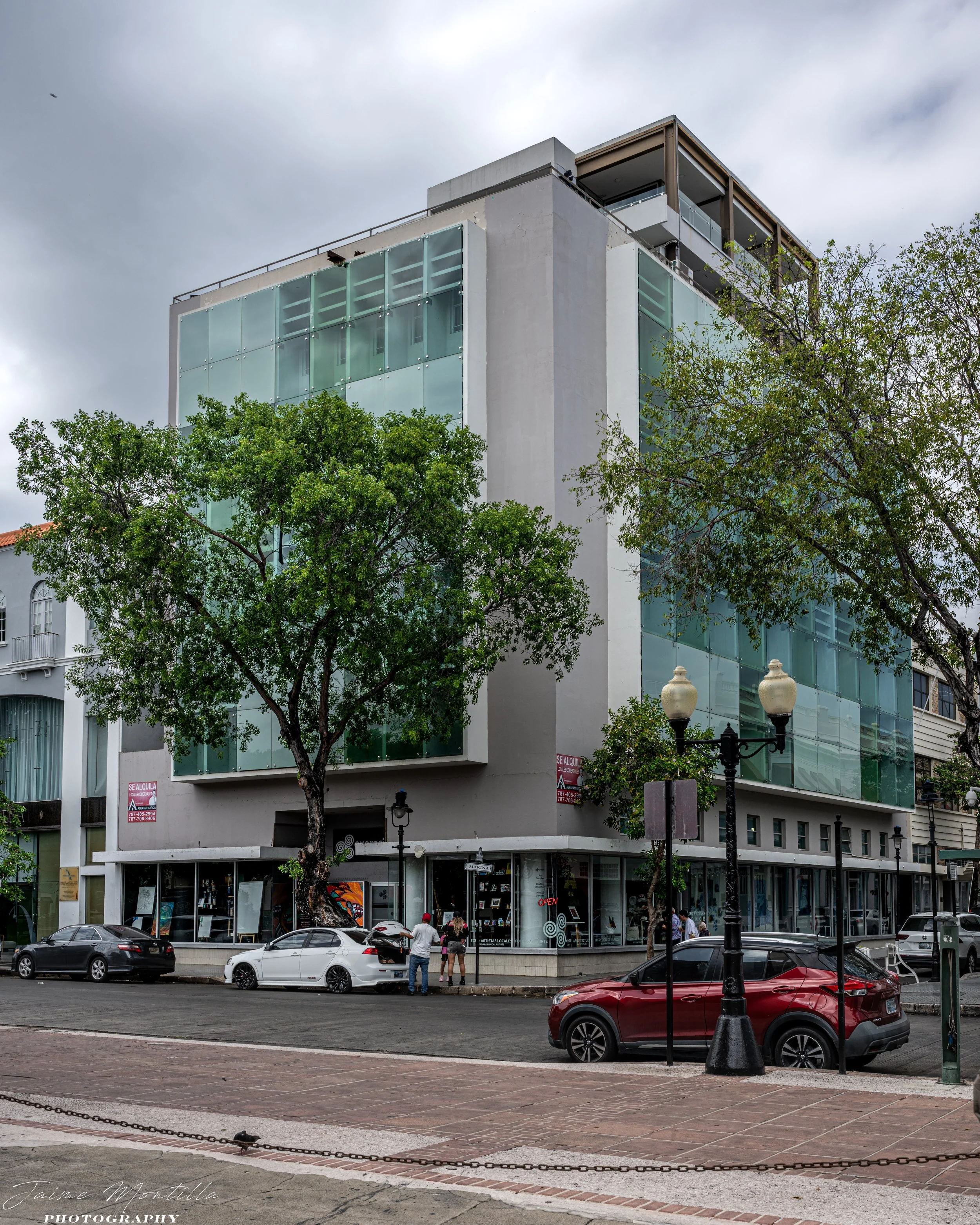
Edificio Gonzalez & Cia. - Ponce, 1965 design in tropical modernism style used by the architect towards the end of his career. It underwent a major preservation and adaptive reuse rehabilitation in 1981 when acquired by the municipal government and the original structure altered in 2004 as part of a municipal initiative to revitalize the downtown.