Garcia & Vega Cigar Co.
West Tampa
Garcia & Vega Cigar Co. was founded in New York in 1882 as Garcia & Gonzalez Cigar Co. by Spanish immigrant from Asturias Alvaro Garcia Longo (1854-1921). According to Armando Mendez in his book Ciudad de Cigars: West Tampa, not much is known about his partner except that his surname was Gonzalez and that he was a native of Arriondas, Asturias, Spain. In 1884 also Asturian immigrant from Arriondas José Vega (1860- ) became a partner and the firm name was changed to Garcia & Vega Cigar Co. In 1895, also Spanish immigrant Pantaleón Félix Carcaba (1852-1906) was added as a third partner and the firm's name was changed to Garcia, Vega & Carcaba Cigar Co.
Carcaba emigrated from Spain to Cuba in 1866 and from Cuba to Cincinnati via New York in 1872. In Cincinnati he opened a cigar factory that he sold in 1900 and in 1893 he opened a second factory in St, Augustine that burned down in 1895 but was quickly rebuilt. The United States Directory of Cigar Manufacturer, Importers, Packers and Dealers published in 1902, lists Garcia, Vega & Carcaba operating a factory in St. Augustine. In 1906 upon the sudden death of Carcaba, the name was changed back to Garcia & Vega. They owned the Austino, El Mas Noble, La Flor de Alvaro Garcia Longo, Garcia y Vega, La Rosa de Mayo, Duquesita, La Perla Española, Flor de Garcia y Vega and Flor de P. F. Carcaba brands.
In 1912 Garcia & Vega Cigar Co. expanded its operations when they acquired Cosio & Co., they further expanded in 1914 when they decided to manufacture cigars in bond, that is that cigars manufactured were not taxed until they left the warehouse which was under the supervision of the IRS or US Customs as the case may be. Using a bonded warehouse allowed for easier import of Cuban leaf and improved cash flow since taxes weren’t paid upfront on raw tobacco or finished cigars. The company continued to operate under family control until the 1950s when it was sold to Bayuk Cigars, Inc. of Pennsylvania, a company that was better known for machine manufactured cigars and their Phillies brand. After the purchase, Garcia & Vega Cigar Co. continued to operate as wholly owned subsidiary of Bayuk Cigars, Inc.
When Francisco Arango & Cia. ceased operations a victim of the 1920 labor strike that lasted ten months from April 1920 until February 1921, Frank Llaneza’s father José Llaneza-Benito (1884-1960) a Spanish immigrant from Infiesto, Asturias, José Villazón and José Arango who were partners in the failed enterprise[1], established a new venture named Villazón & Co. since José Villazón was the largest stockholder. According to this 1931 Sanborn Insurance Fire Map, Villazon & Co factory in Ybor City was located at the southeast corner of 15th Ave. & 21st St. The elder Llaneza continued to work at Schwab, Davis & Co., who had acquired the defunct Francisco Arango & Cia. and went to work full time at Villazón & Co. soon after December 31, 1935 when Schwab-Davis Co. was acquired by Gradiaz, Annis Co.
After the end of WWII, cigar factories in Tampa started faltering and Villazón & Co. was able to acquire some of them and their cigar brands. Among those acquired were José Arango Co.[2], Bustillo Bros. & Diaz in 1953, Preferred Havana Cigar Co. and the Cuesta factory of the Antonio Co. in 1956. José Llaneza eventually bought out his partners in Villazón & Co. and retired in 1950 when he handed over the business to his sons José Llaneza Jr. (1907-1990) and Frank Llaneza (1920-2010). As stated by Frank Llaneza in an interview by Gordon Mott published in the Cigar Aficionado edition of Jan/Feb 1999 and an article in the winter 2004-2005 edition of the Cigar Magazine about Frank Llaneza's journey in the cigar industry, in 1964 the Garcia & Vega factory was moving the Tampa factory to Alabama and Bayuk Cigars, Inc. sold the Tampa factory to Villazon & Co. for $125,000 and with it Villazón bought all their handmade cigars.
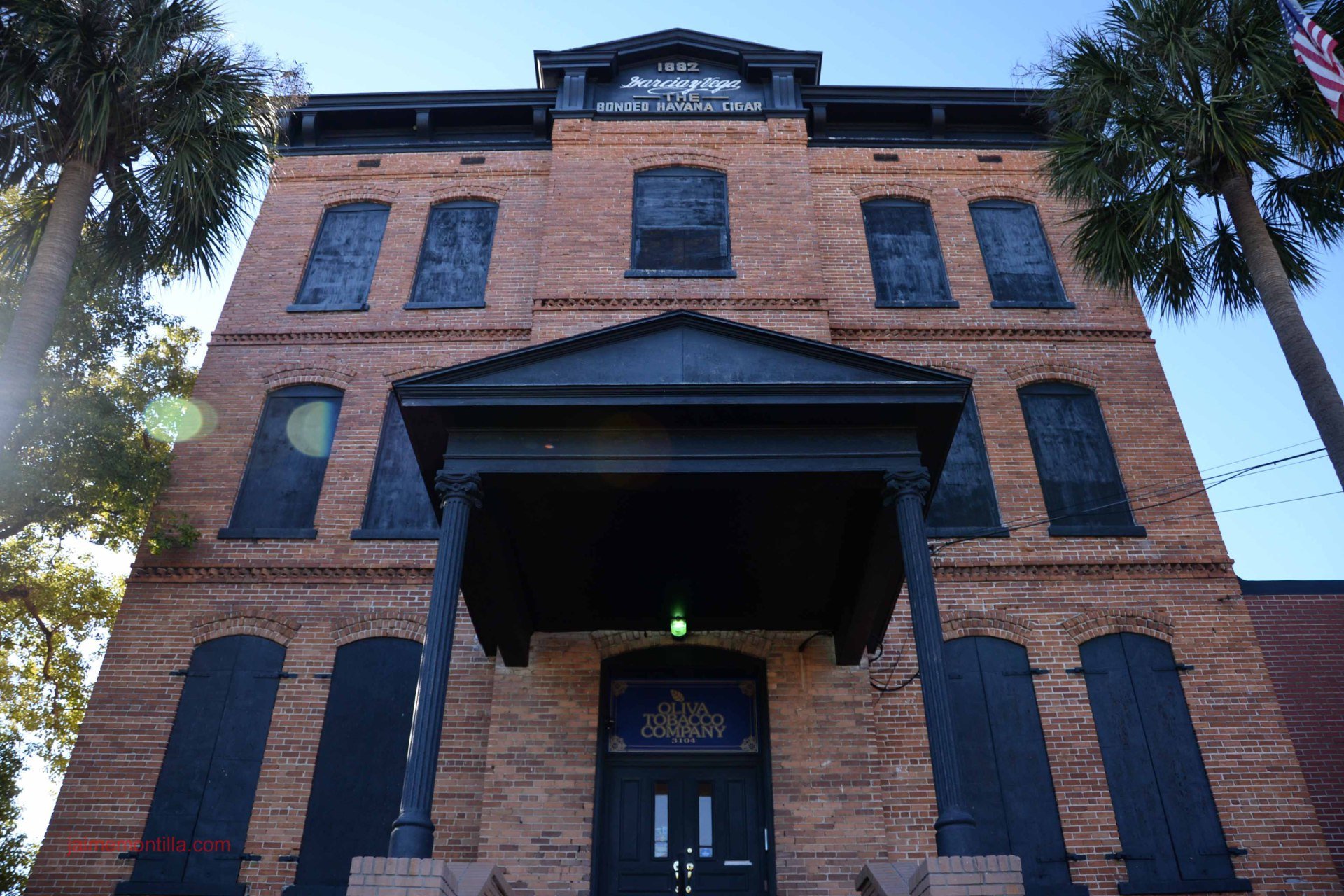
Soon after the acquisition of Garcia & Vega Cigar Co., which included this building, Frank Llaneza then president of the firm and Tino Gonzalez[3] (1917-2012) who had worked at Garcia & Vega since the 1940's and had been awarded stock in the company, moved Villazón here from Ybor City. In 1997 General Cigar Co. acquired Villazón Cigar Co. brands for a reported $91 million. On April 10, 2001 General Cigar sold this building to Angel Oliva Jr. and John E. Oliva Sr. who soon thereafter transferred title to Oliva-Armenia LLC, its actual owner.
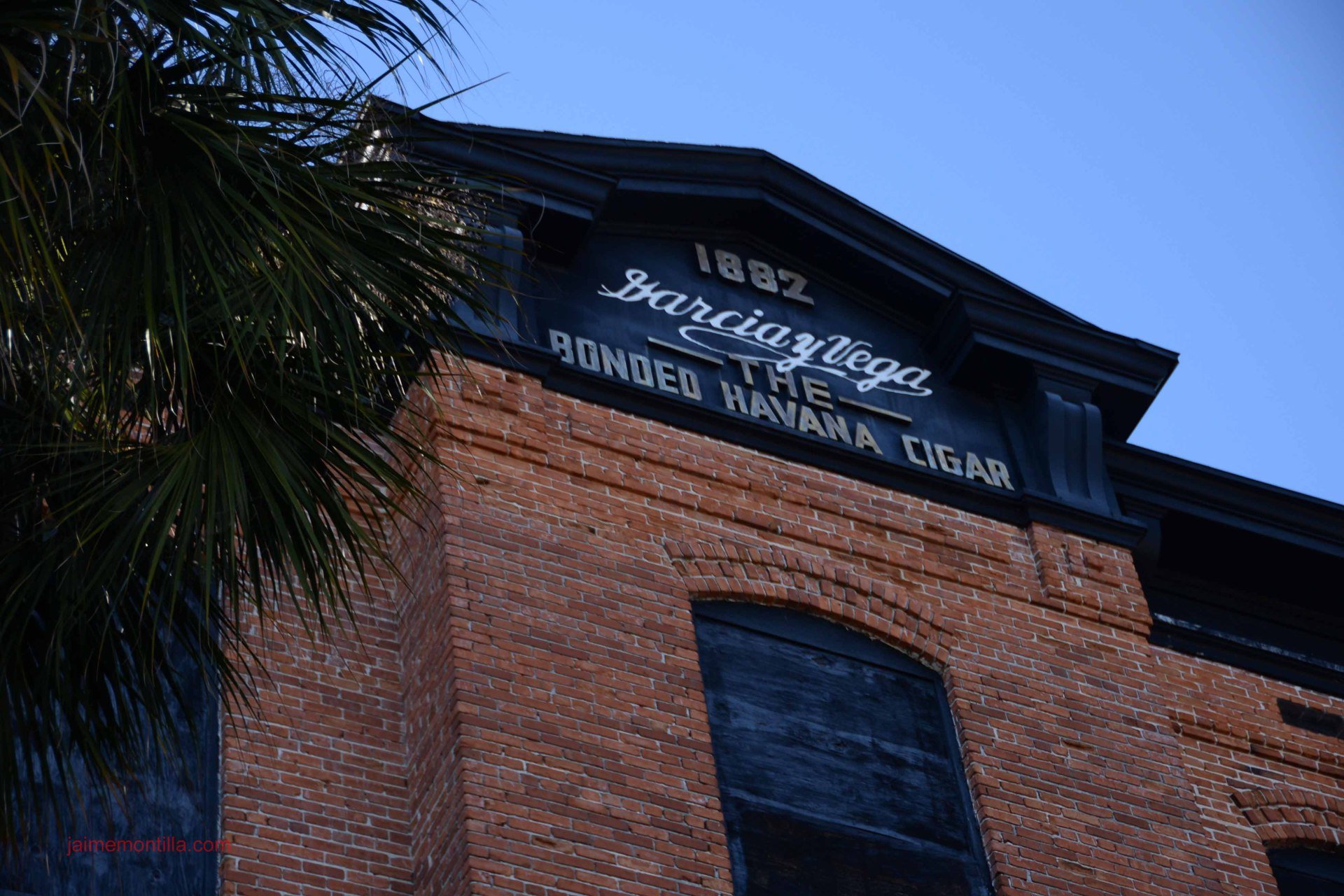
The building is currently occupied by the Oliva Tobacco Company, a well known supplier of high quality tobacco to many major cigar manufacturers, the Garcia & Vega name still can be seen on the building's fascia. According to the Hillsborough County Property Appraiser, this 60,180 sq. ft. building was built in 1908. The inscription on the building states "1882 Garcia & Vega The Bonded Havana Cigar", which is the year the company was established, not the year the building was constructed. The state first granted the land which would be the site for this building to Antonio Perria on March 10, 1884, before John Drew and Hugh McFarlane developed what would eventually be West Tampa. It was sold to Alvaro Garcia and José Vega in 1907.
_____________________________________________________
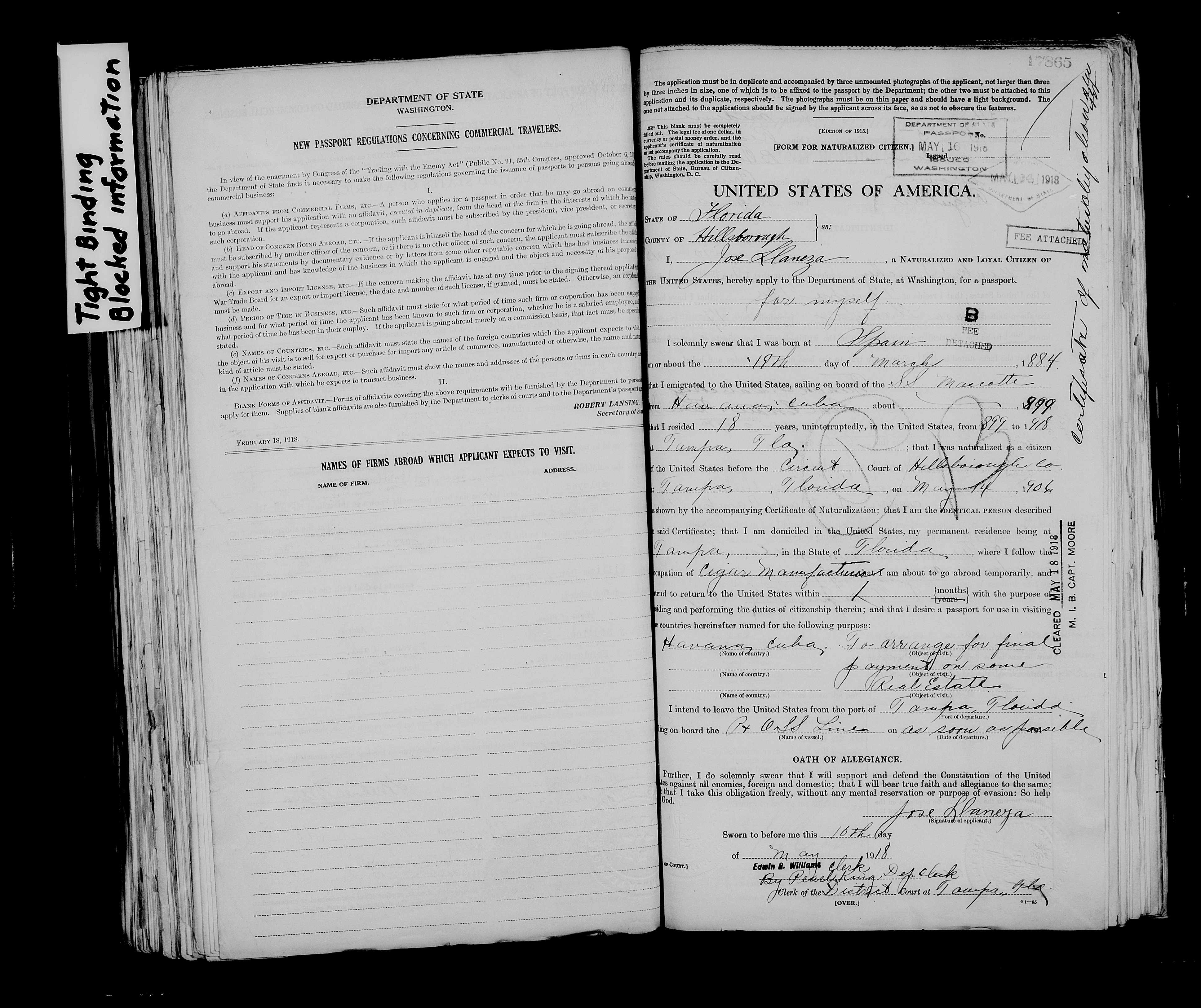
[1] in 1918 José Llaneza was employed by Francisco Arango & Cia. as evidenced by this two page passport application (page1, page 2)
[2] grandfather of well known baseball player Tino Martinez
[3] Jose Arango of Villazón & Co. and José Aranfo of José Arango & Co. were not one and the same