Other Architects
This section includes the the names of notable architects whose work played an important role in the overall architectural landscape of the island but which work, at least the one identified herein, is not as prolific as others to whom a full page has been dedicated. A brief biography has been written only about some, however, the captions on each picture identifies the structure and its designer.
There were may
Juan Bertoli Calderoni
According to his death certificate, Juan Bertoli Calderoni (1829-1885) was born in Carrara, Italy to Juan Ludovico Bertoli and Maria Luisa Calderoni. He arrived in Puerto Rico in 1845 contracted by the Spanish Military Corps of Engineers to work at La Fortaleza and other Spanish military installations in San Juan. He subsequently moved to Ponce seeking better recognition for his skills where he was a long time resident and where he died.
Among his most notable work are the design of the original Teatro La Perla in 1864 remodeled under the supervision of Francisco Porrata Doria in 1941 based on Bertoli’s original plans after being damaged in the 1918 San Fermin earthquake and Hurricane San Felipe of 1928. In 1870 he designed the residences of Carlos Vives and Ermelindo Salazar both pictured below, and is credited with the design of the Nuestra Señora del Carmen church in Ponce Playa built between 1876 and 1883 during his tenure as Municipal Architect on land donated by Guillermo Cabrera.
Francisco Roldán Martinó
Francisco Damaso Roldán Martinó (1890-1988) was born in San Juan to Francisco Roldán and Luisa Martinó. He received his formal education in Zaragoza, Spain and began his career in 1909 working as a graphic designer in several puerto rican publications like El Diluvio, El Gráfico, Revista Las Antillas and Puerto Rico Ilustrado under the pseudonym Cyro. In 1917 he began to work as draftsman at the US Department of the Interior under Adrián C. Finlayson. There he met and became friend and neighbor of Pedro Adolfo de Castro.
His tenure at the US Department of the Interior was short as within a year or so both hime and de Castro resign their positions and join the staff at the practice of Antonin Nechodoma. In 1923 Roldán Martinó established his own private practice during which time his work included the Ateneo Puertorriqueño in 1923 pictured below, the Municipal Hospital Manuel Figueroa in Arecibo in 1923, the El Mundo/Puerto Rico Ilustrado building in Old San Juan in 1923 also pictured below, the maternity wing at the Auxilio Mutuo Hospital in 1925, and the Casa Mudejar in 1926 which still stands today in the San Juan sector of Miramar. His largest project was the State Penitentiary in Rio Piedras in 1926 now demolished.
In 1926 Roldán relocated to New York City where he first worked at Western Electric Co. and later as an architect. In 1942 he resigned his membership in the American Institute of Architects. Little is known about any work he produced while living in New York City where he died.
José Sabás Honoré
José Sabás aka Sabás Honoré Rivera (1874-1951) was born in Mayagüez to Victor Honoré Garau (1842-1926) and Angela Rivera. Victor was a builder or “maestro de obras” born in Mayagüez to Ecceas Honoré, a French immigrant from the island of Guadeloupe. Among Victor’s work as a designer is the Lería-Esmoris residence pictured below. Sabás completed his primary schooling at the Liceo de Mayagüez, he later received a degree in Agronomy from the Escola de Enginyeria Agroalimentària i Biosistemes de Barcelona (EEAB) at the Universitat Politècnica de Catalunya (UPC). Some of his biographers and relatives say he also made some studies in Architecture there, upon his return from Barcelona, in 1903 he married Catalonia native Rosa Buigas Ginart in San Sebastián del Pepino.
He designed two buildings in Mayagüez that to this day are historic landmarks in the city; the Teatro Yagüez reconstruction in 1921 after a 1919 fire that killed some one hundred fifty people damaged the structure and built in 1920 by Eng. Manuel Font listed in the National Register of Historic Places in 1985 and the Masonic Temple Logia Adelphia, built in 1912 and also listed in the National Register of Historic Places in 1986. Among his work that has since been demolished are the La Habanera Cigar Factory and the Miguel Esteves Blanes residence both on Mendez Vigo Street and now demolished.
Father and son work is detailed in the publication Arquitectos en Plural: Vida, Obra y Trayectoria de Victor y Sabás Honoré en Puerto Rico (1842-1951) by René Carlos Cabrera La Llave.
Raúl Reichard
Raúl Guillermo Reichard Esteves (1908-1996) was born in Aguadilla to Carlos Augusto Reichard del Valle and Francisca Lucia Esteves Volkers. He studied at the University of Michigan from where he received a degree in architecture in 1929. Following the advise of his uncle, then Commissioner of the Interior Guillermo Esteves Volkers, and due to the economic crisis of the time due to the Great Depression, after graduation he settled in New York where he worked for the firm of Sloan & Robertson, one of the major New York architectural firms of the 1920s and '30s. In 1931, Reichard returned to Puerto Rico but it wasn’t until the following year that he started to work as a building inspector at the State Penitentiary. In 1933 he joined the Puerto Rico Emergency Relief Administration (PRERA) where he worked until 1935 when Rafael Carmoega recruited him as an Assistant Architect at the Puerto Rico Reconstruction Administration (PRRA), specifically for the work at the University of Puerto Rico Building Division. In the early 1940s he established a private architectural practice that lasted until 1976. His most significant project is arguably the 1942 design of the Normandie Hotel in Puerta de Tierra pictured below.
Fernando Montilla Jimenez & Miguel Ferrer Otero
Fernando Montilla Jimenez (1870-1929) was born in Caguas to José Montilla Valdespino and Rosario Jiménez Jiménez. He studied civil engineering at New York University. He was San Juan Municipal Engineer during the administration of Mayor Roberto H. Todd who was mayor from 1903 to 1923. Miguel Ferrer Otero (1886-1966) was born in San Juan to Gabriel Ferrer Hernandez and Monserrate Otero Navedo, he was the father of Miguel Ferrer Rincón of the firm Toro & Ferrer. He also was a Municipal Engineer for the municipality of San Juan in 1917 when both were commissioned to design the new facilities at the San Juan Aqueduct consisting of six mechanized filters.
In 1913, together Giuseppe Albrizzio Raimondi (1887 - 1971) who designed the interior, they are credited with the design of the Old Casino de Puerto Rico building in old San Juan which construction, paralized twice, was completed in 1917. Although often times the design is attributed to the firm Montilla & Ferrer, there is no evidence found that aside from collaborating in the same projects, they established a firm together.
In 1997, Architect Enrique Vivoni Farage argued that if any place in San Juan displayed architectonic knowledge of a sophisticated European-influenced vocabulary, it was the Casino.
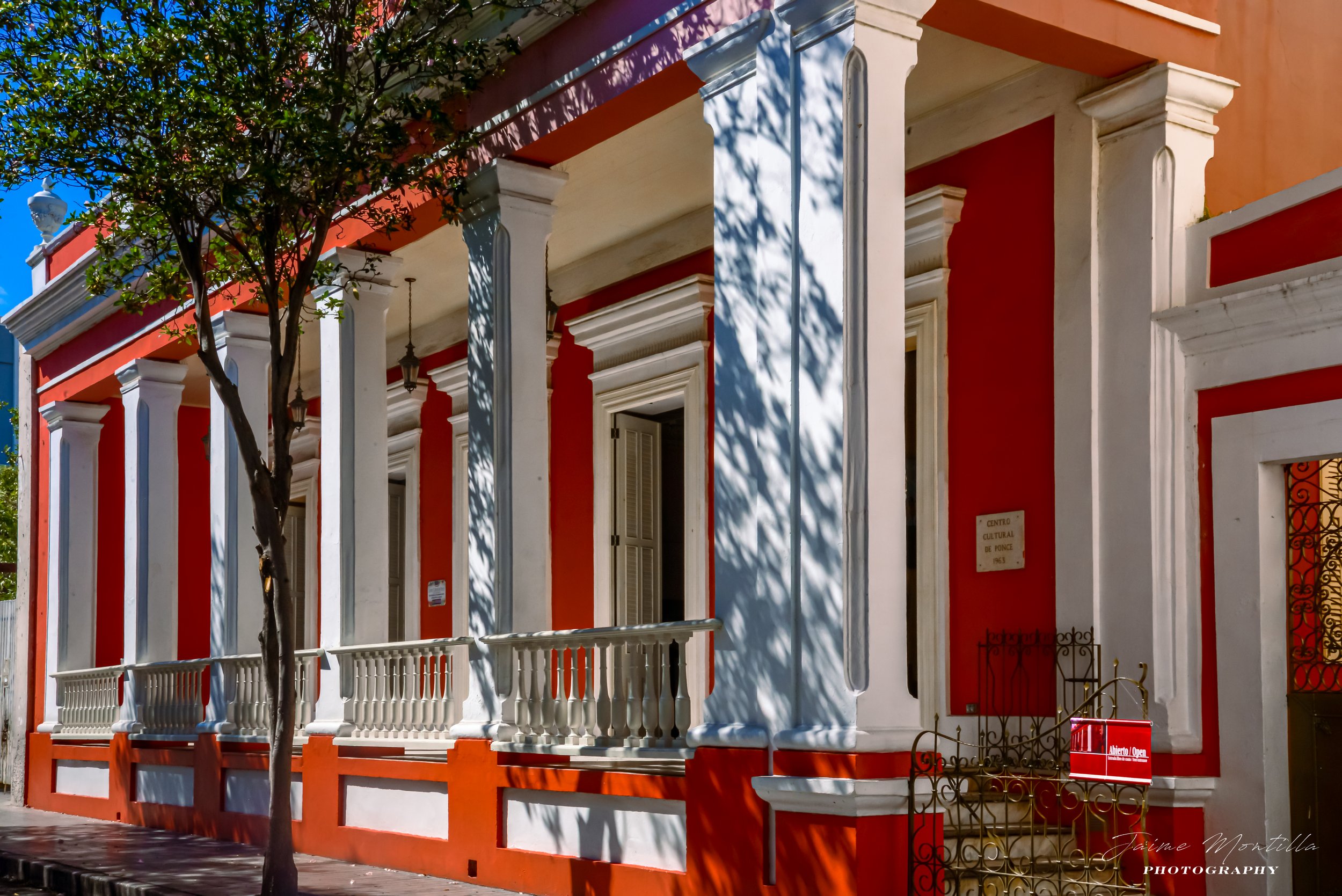
Casa Ermelindo Salazar, Ponce - 1870 design by Juan Bertoli Caldroni
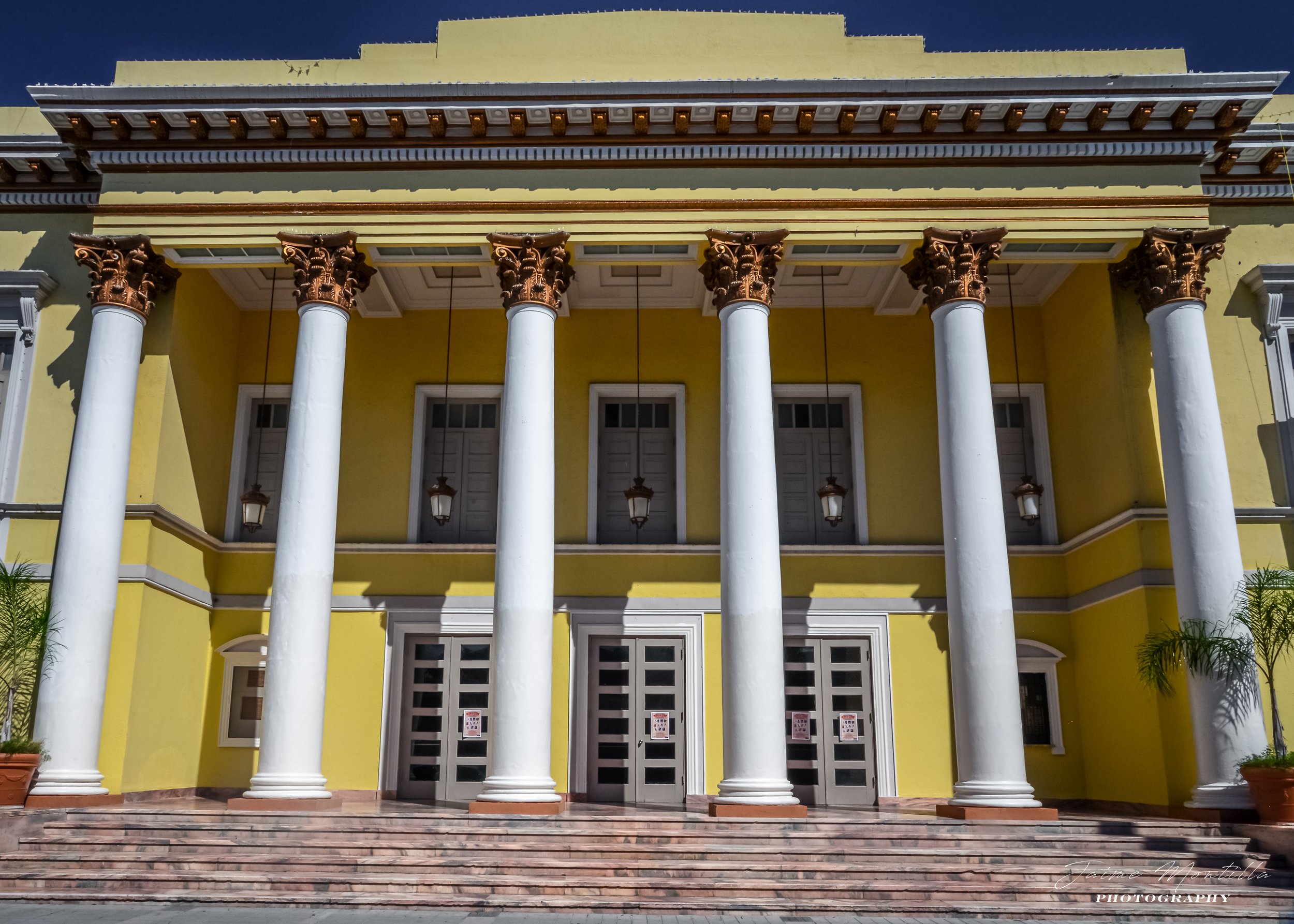
Teatro La Perla, Ponce -1864 design by Juan Bertoli Calderoni, damaged in the San Fermin Earthquake of 1918 and Hurrican San Felipe in 1928, rebuilt in 1941 under the direction of Francisco Porrata Doria with better acoustics using Bertoli's original plans.
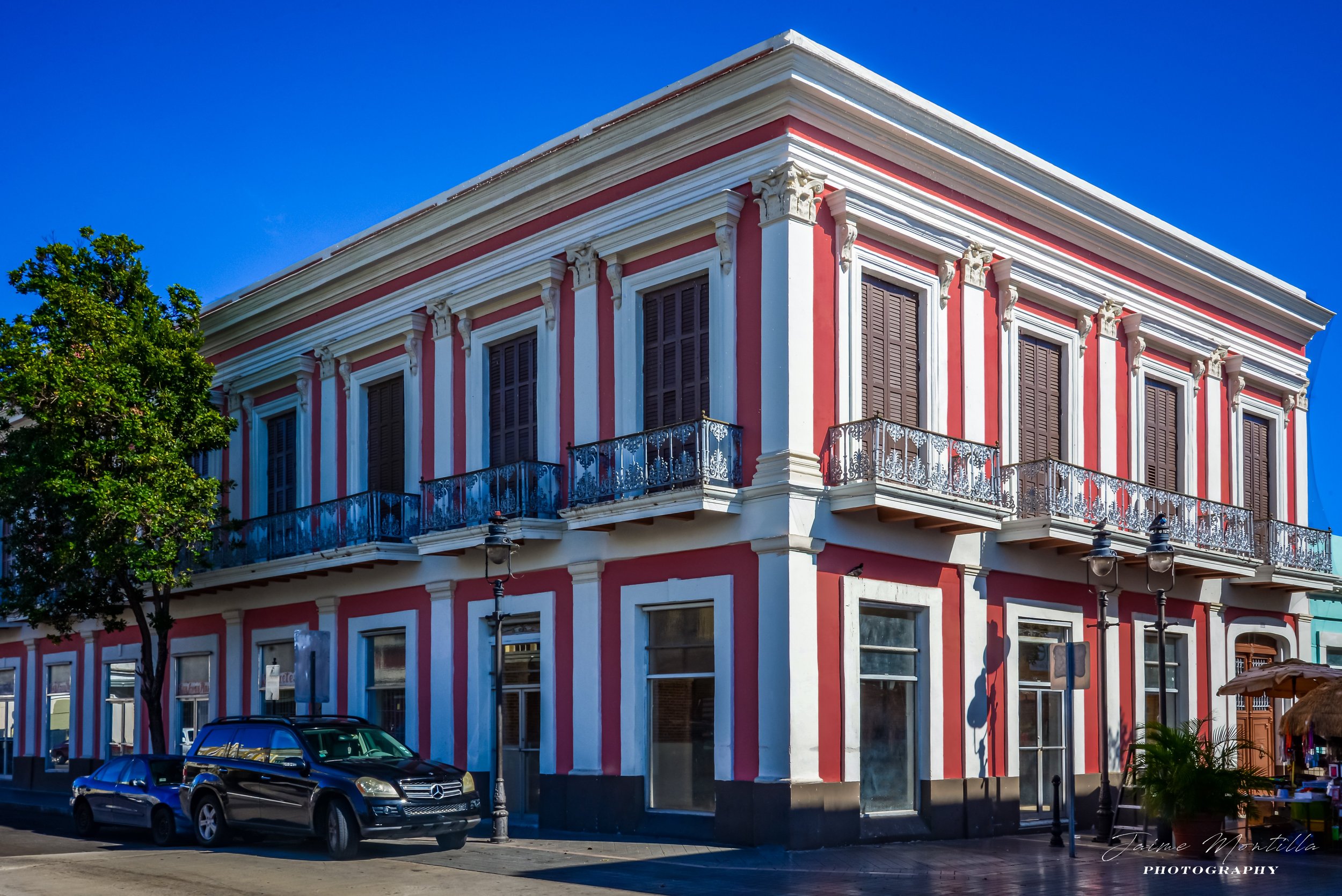
Casa Carlos Vives, Ponce 1870 design by Juan Bertoli Calderoni

Banco Popular, Old San Juan - 1939 design by Chauncey W. Riley built where the Banco Territorial y Agrícola of Puerto Rico was located during the 19th century. Its design is representative of the Art Deco architectural style.
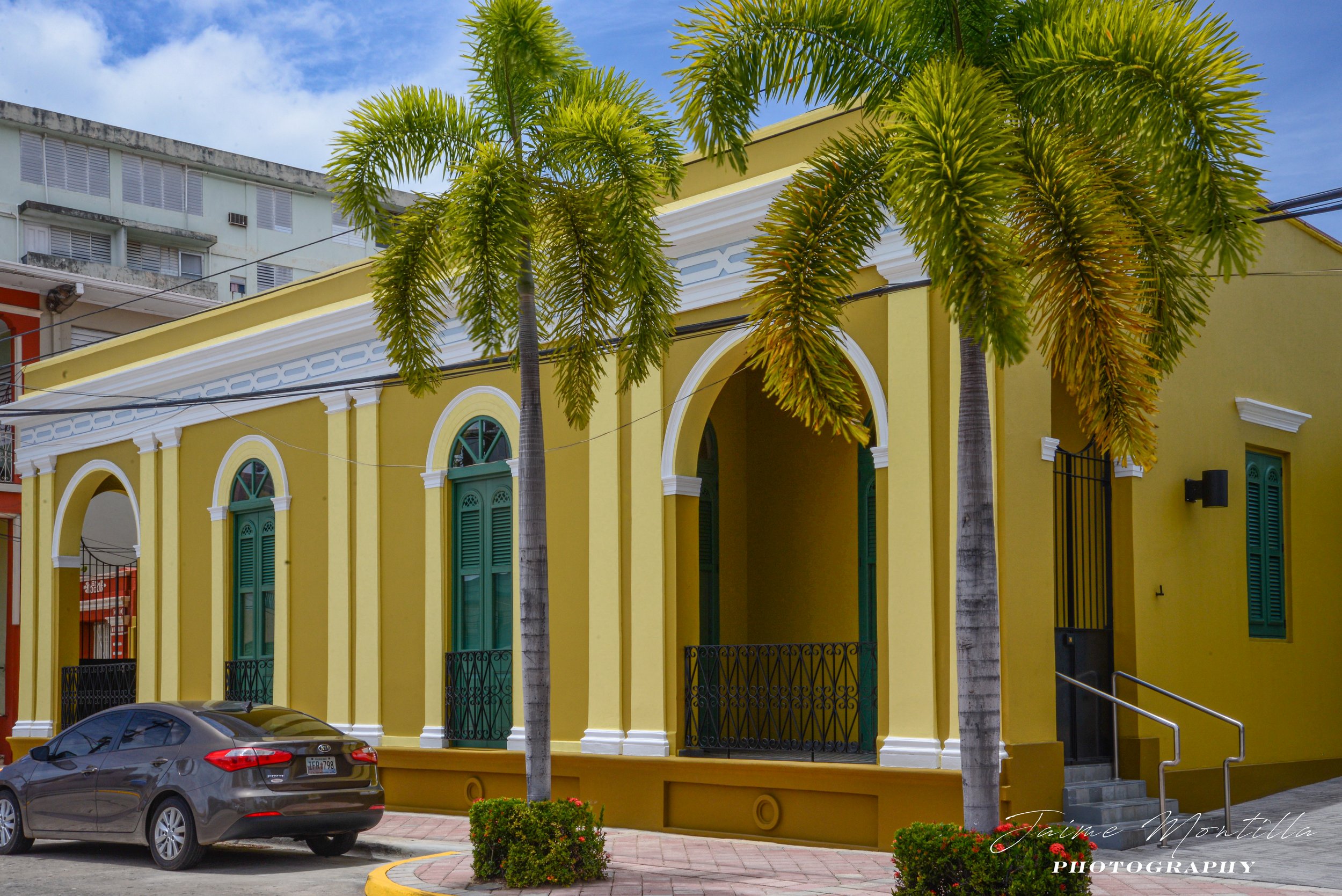
Pilar Defilló Amiguet residence, Mayagüez - 1841 Necolasic Colonial Style design of unknown architect is birthplace of the mother world renown Catalonian cellist Pablo Casals is today a museum.
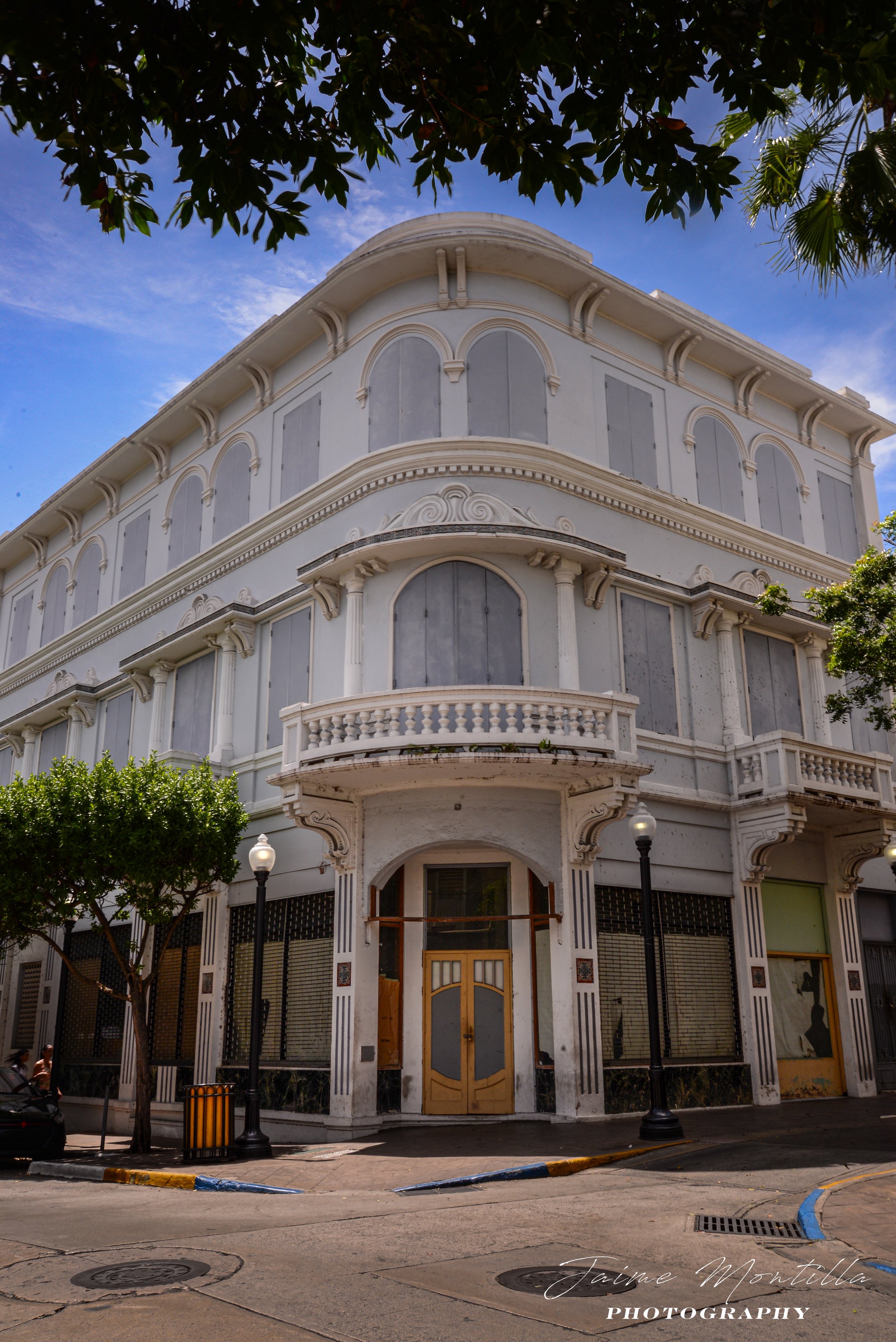
Edificio Confiteria La Bolsa of E. Franco & Cia. at Calle Méndez Vigo esq. Peral Mayagüez intersection known as Las Cuatro Esquinas - ca. 1930 design by Arch. Luis Fernando Nieva (1877-1954) using a combination of neoclassical, art deco and moorish ornaments. The Casino Español used to occupy the upper two floors.
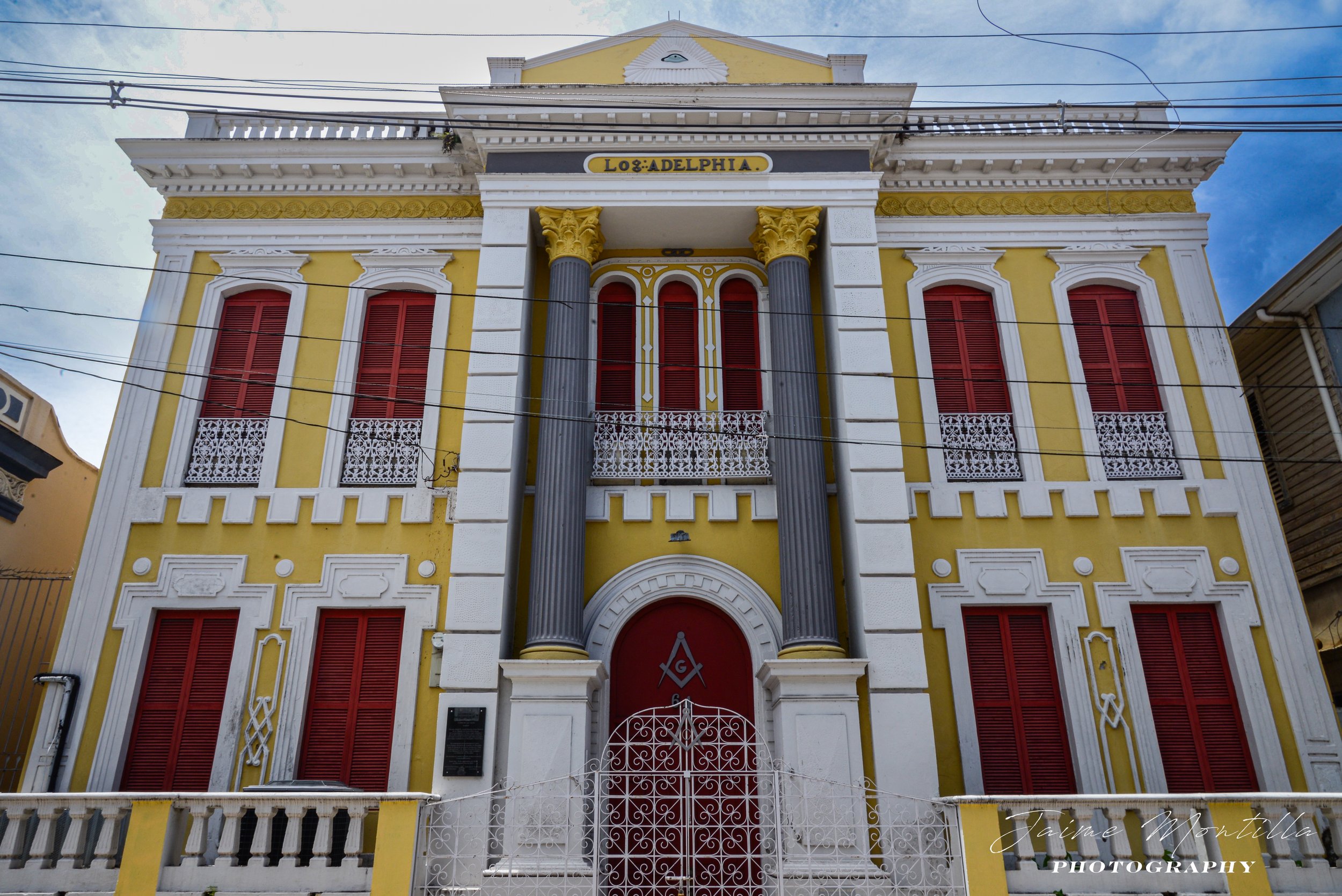
Logia Adelphia, Mayagüez - 1912 design by Luis Sabas Honoré.
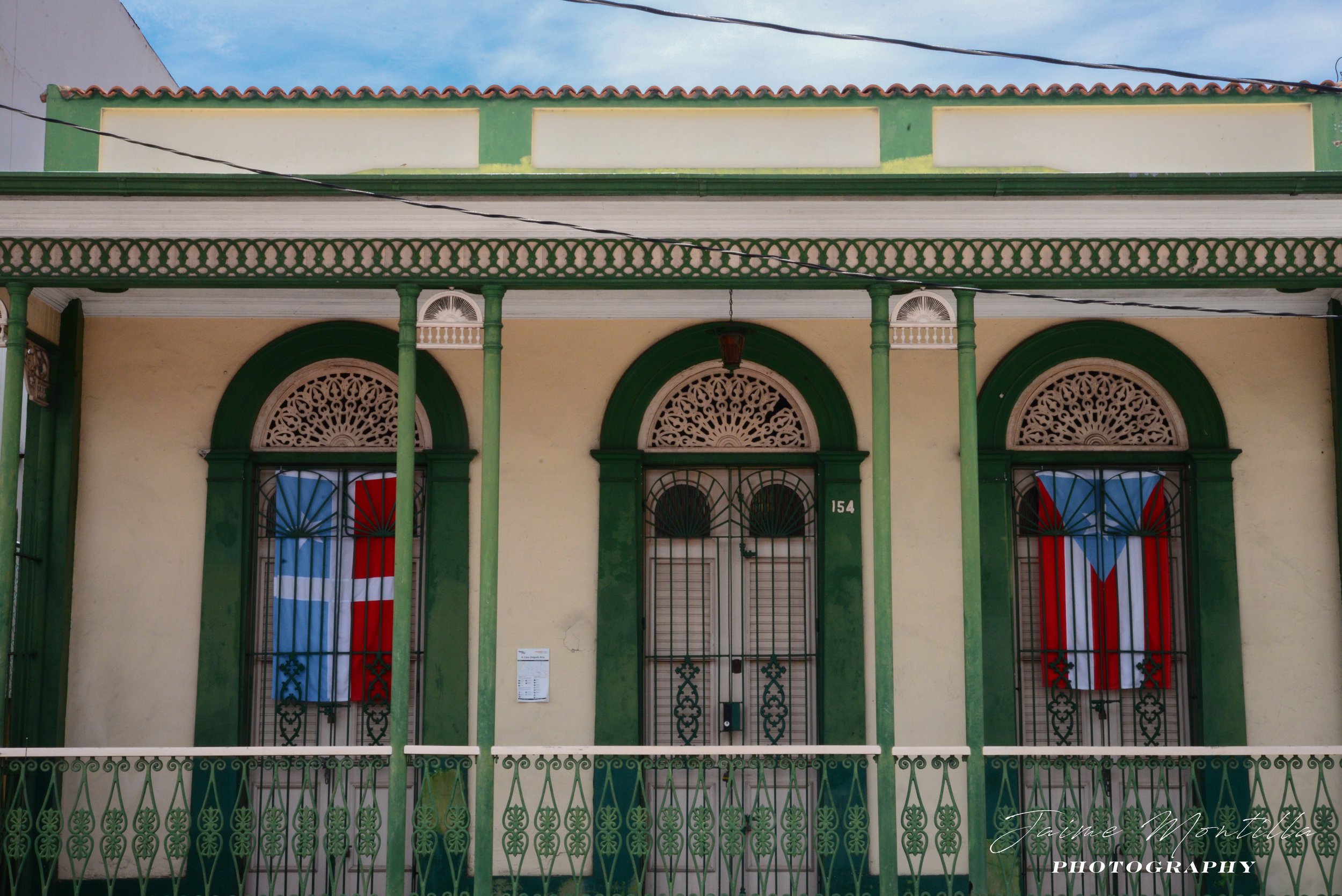
Delgado-Bras Residence, Mayagüez - 1839 design of unknown architect notable for the "soles truncos" between the thin columns and above the three doors.
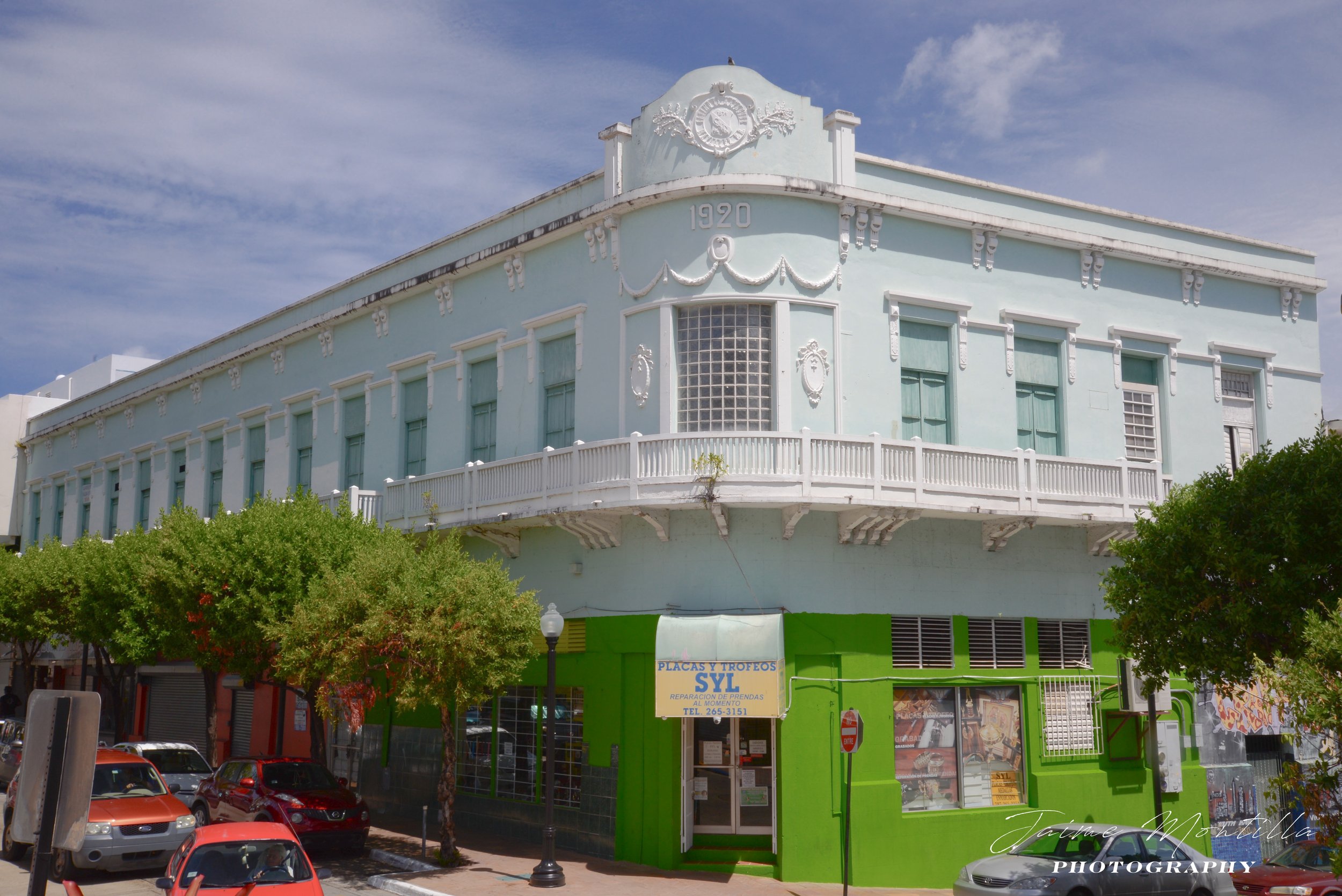
Casino de Mayaguez - 1920 commercial building design by Luis Perocier (1880-ca. 1950) for Domingo Rullán, it housed the Casino from 1921 until 1932. Perocier was a cabinetmaker who received his degree in Architecture from the American School of Correspondence in Chicago.
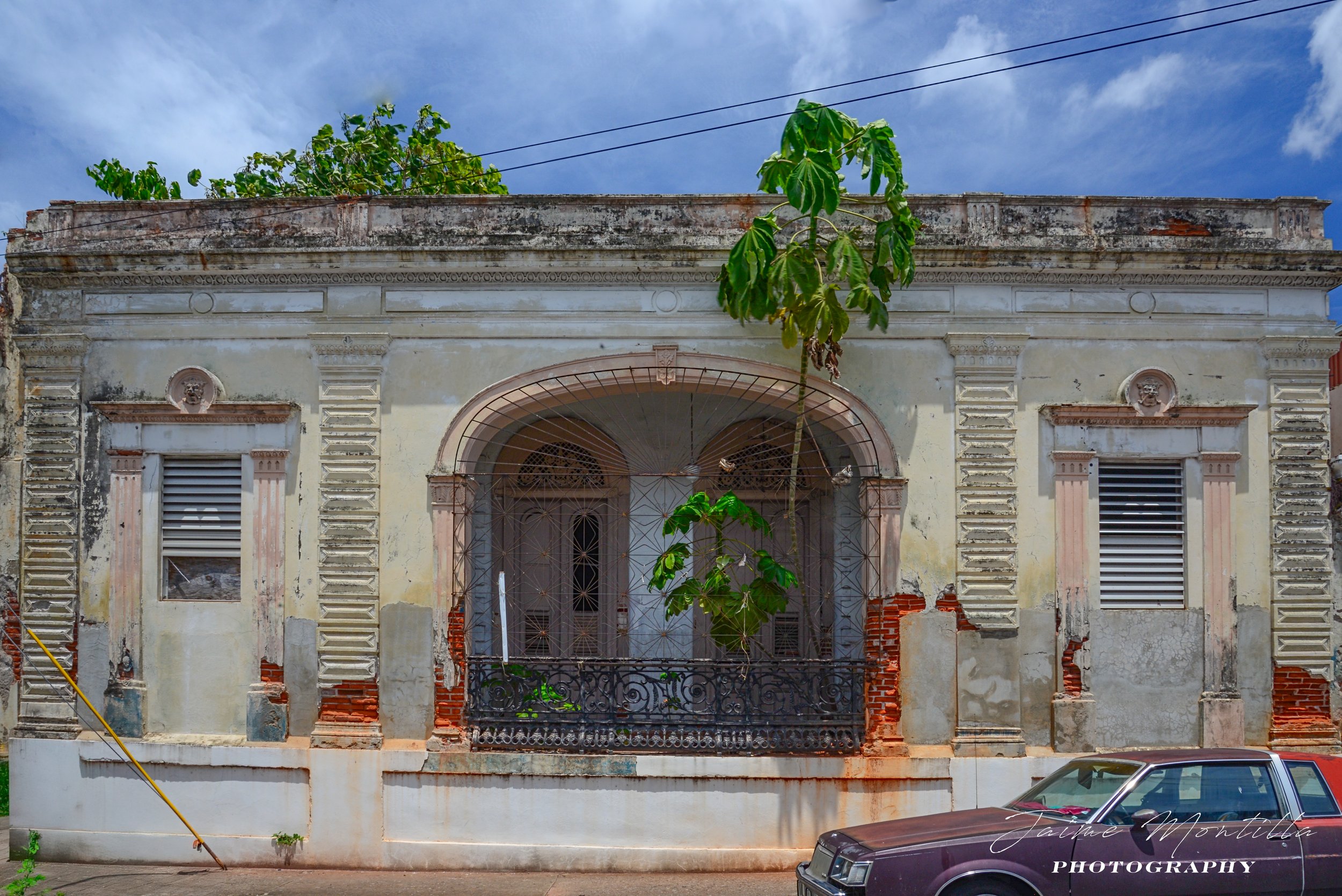
Residencia Lería Esmoris, Mayagüez –1897 design by Victor Honoré Garau, father of Sabás Honore Rivera, the house is commonly known as the "Casa Solariega de José de Diego".
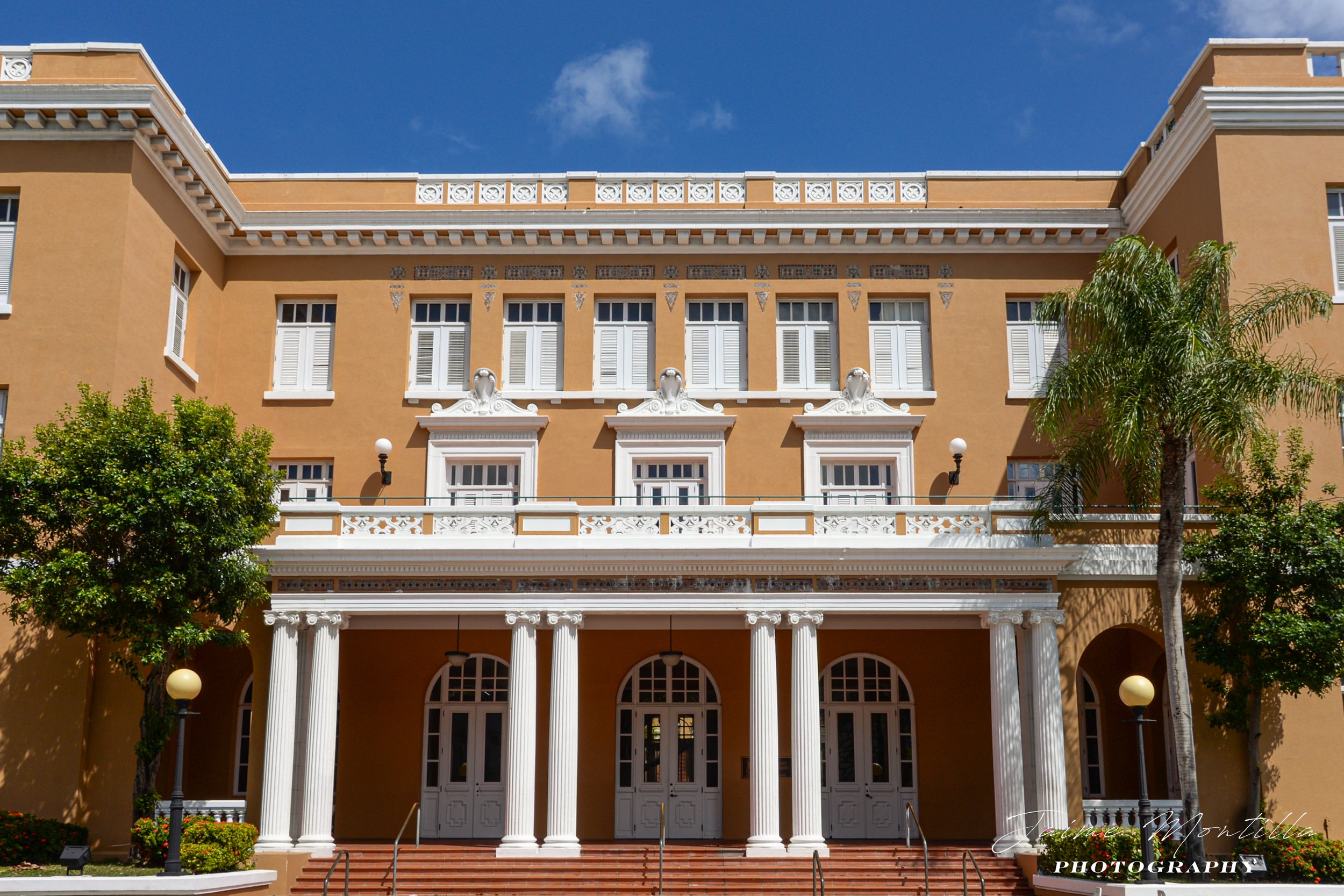
YMCA Building, San Juan - 1910 design by Arch. B. V. White of New York in a neo-classical style known as Greek revival.
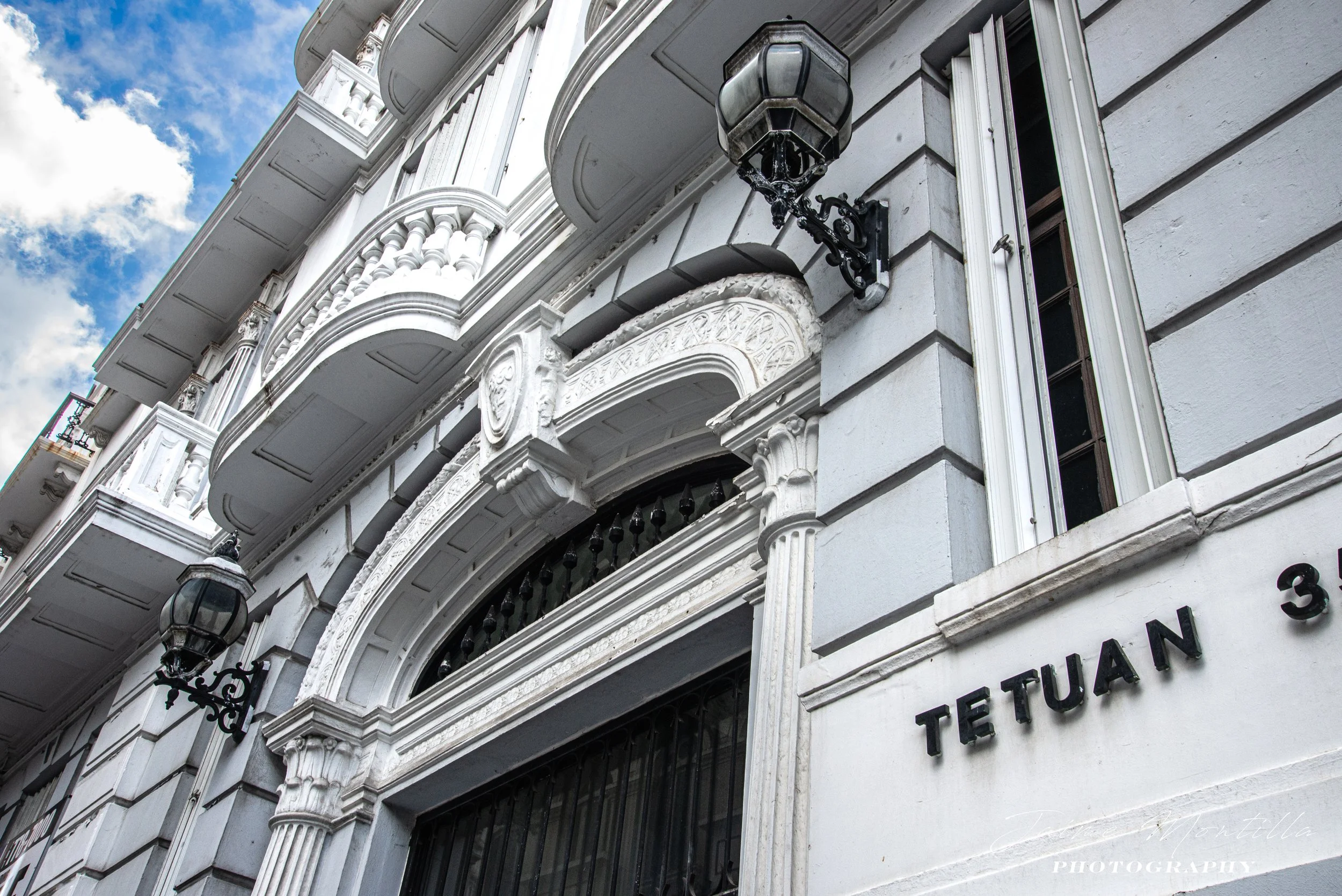
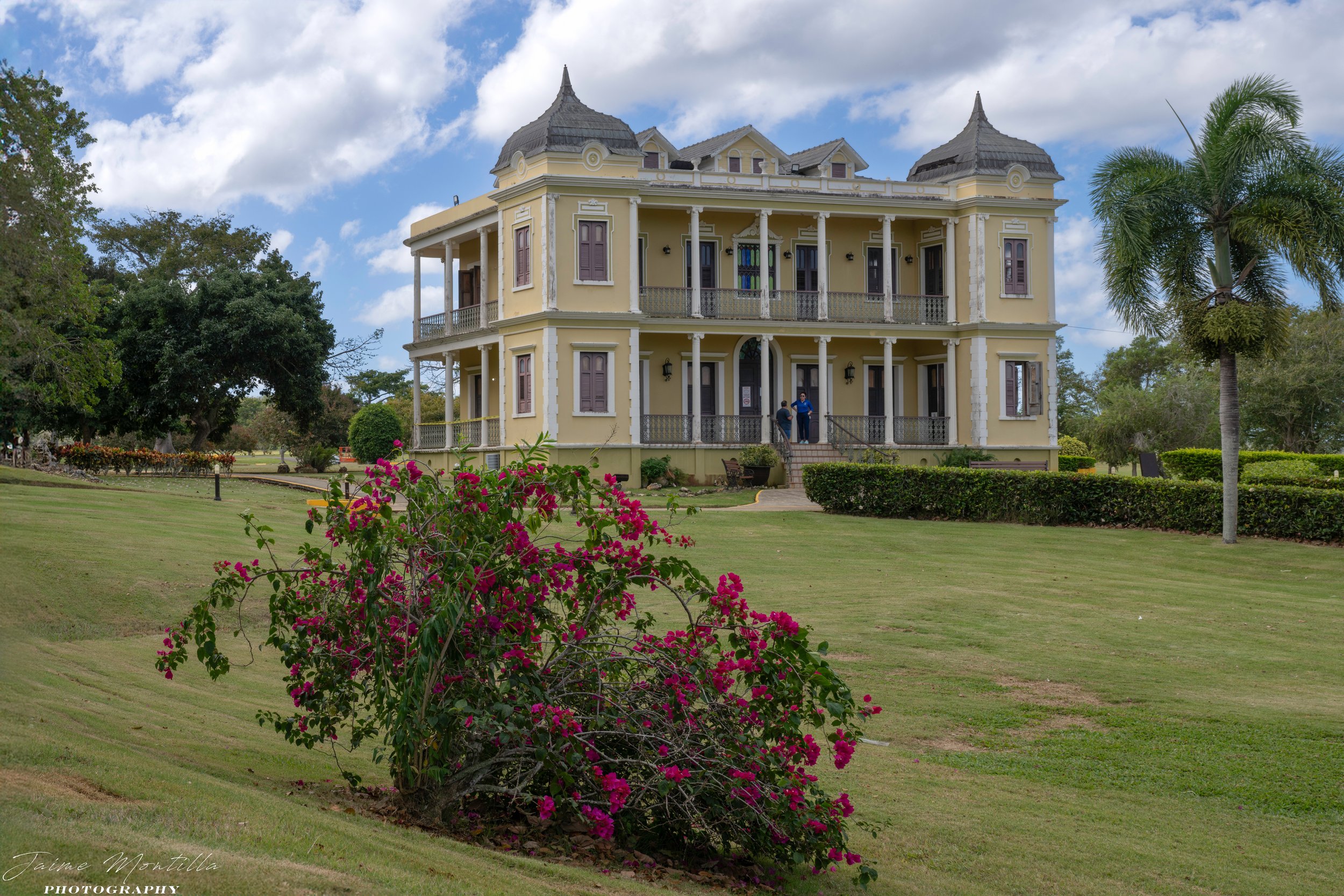
Labadie Mansion at Hacienda Irurena, Moca - 1905 design by French engineer Paul Servojean in French Renaissance style. Setting for the novel La Llamarada by Puerto Rican writer Enrique A. Laguerre who called it the Palacete de los Moreau in the novel.
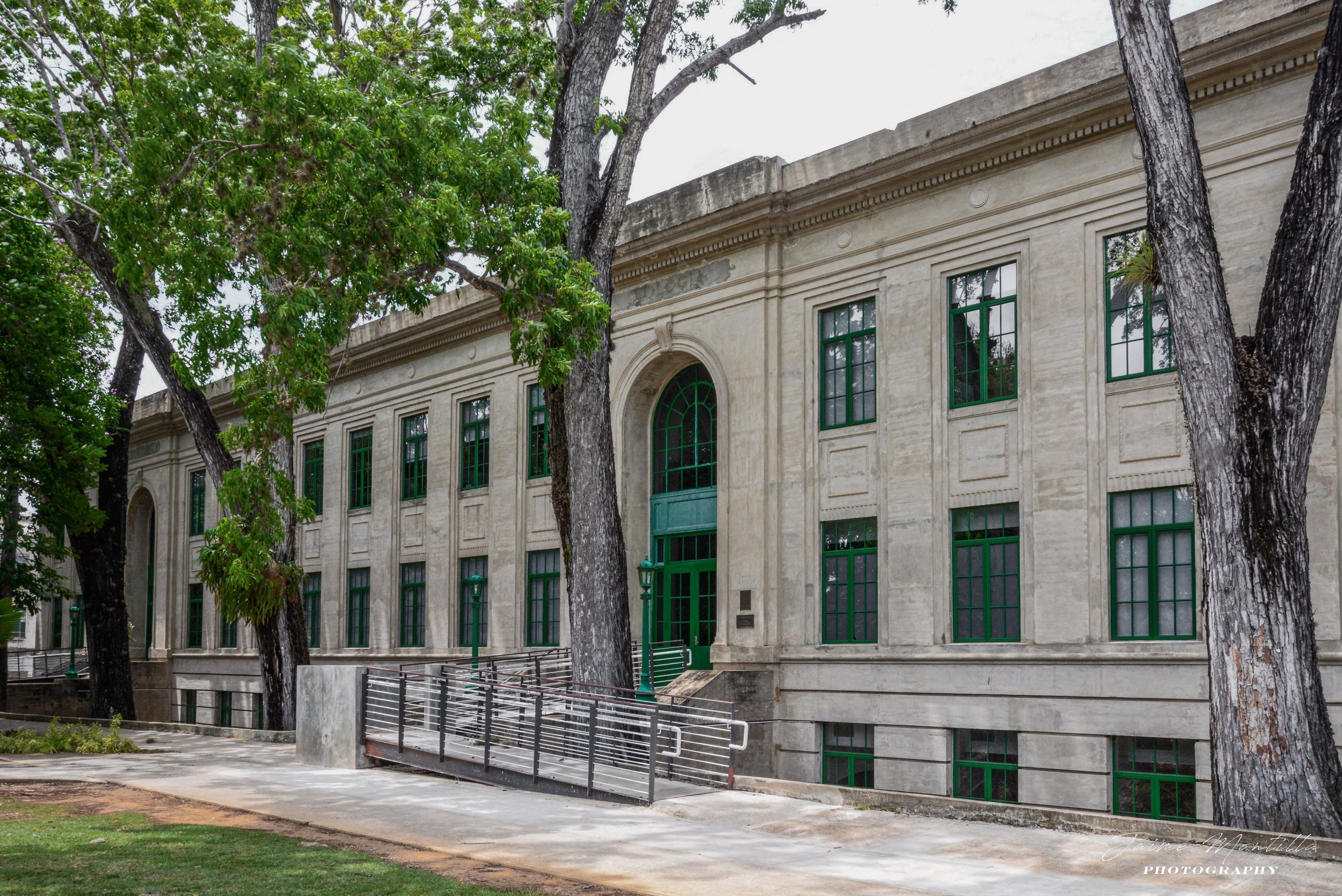
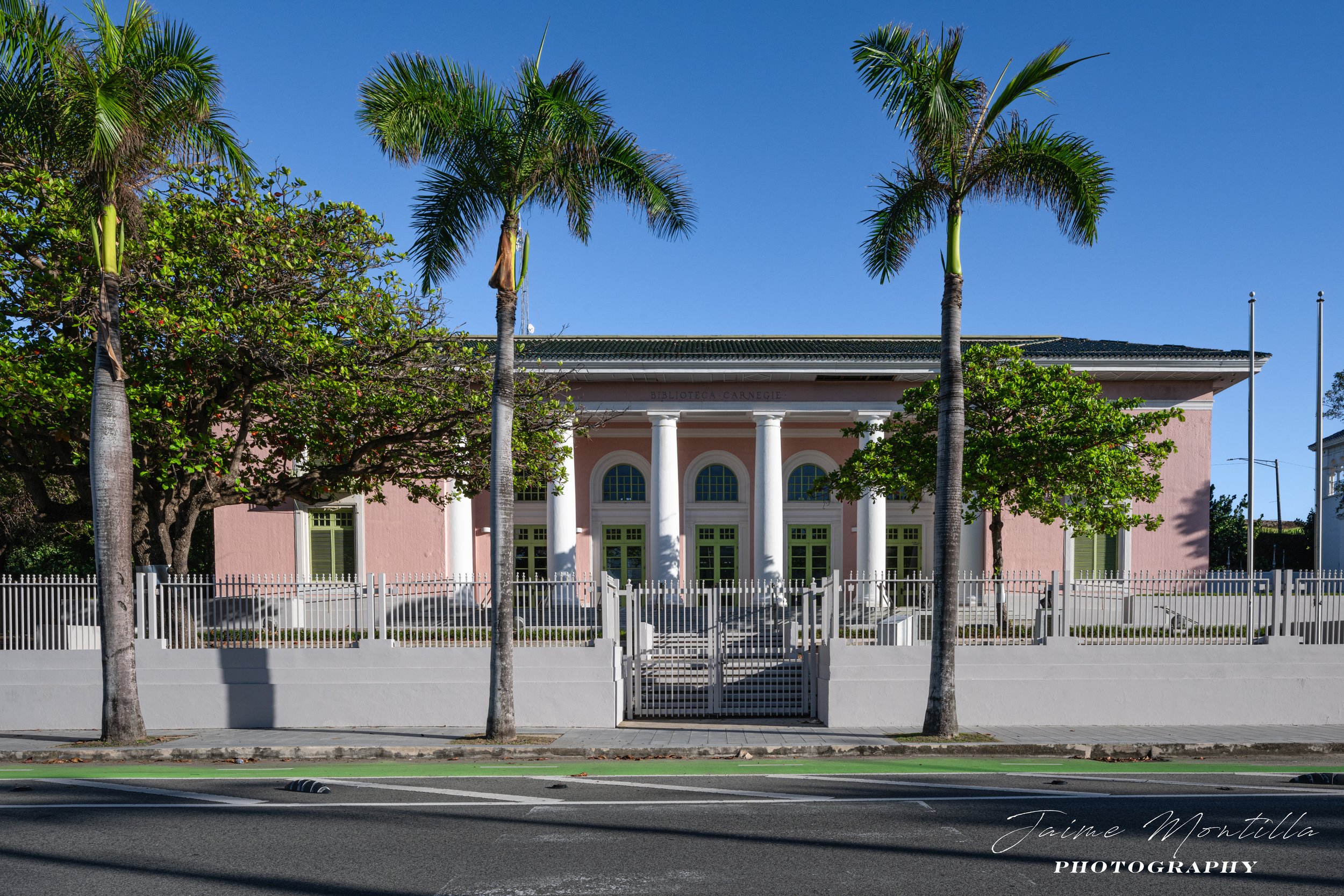
Carnegie Library, San Juan - 1914 design by Henry D. Whitfield and built by Eng. Ramón Carbia Burt.
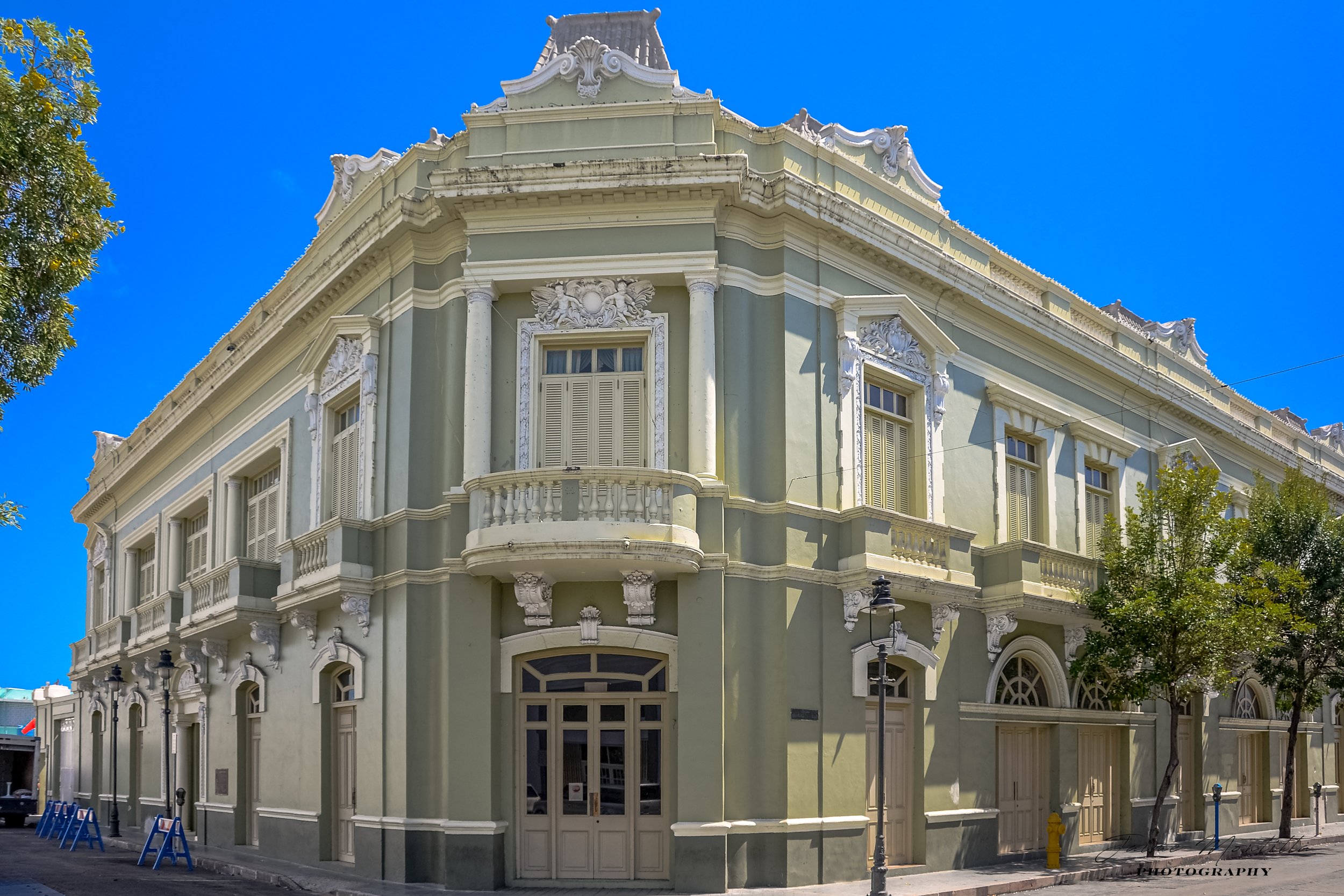
Casino de Ponce - 1922 design by Agustín Camilo Gonzalez
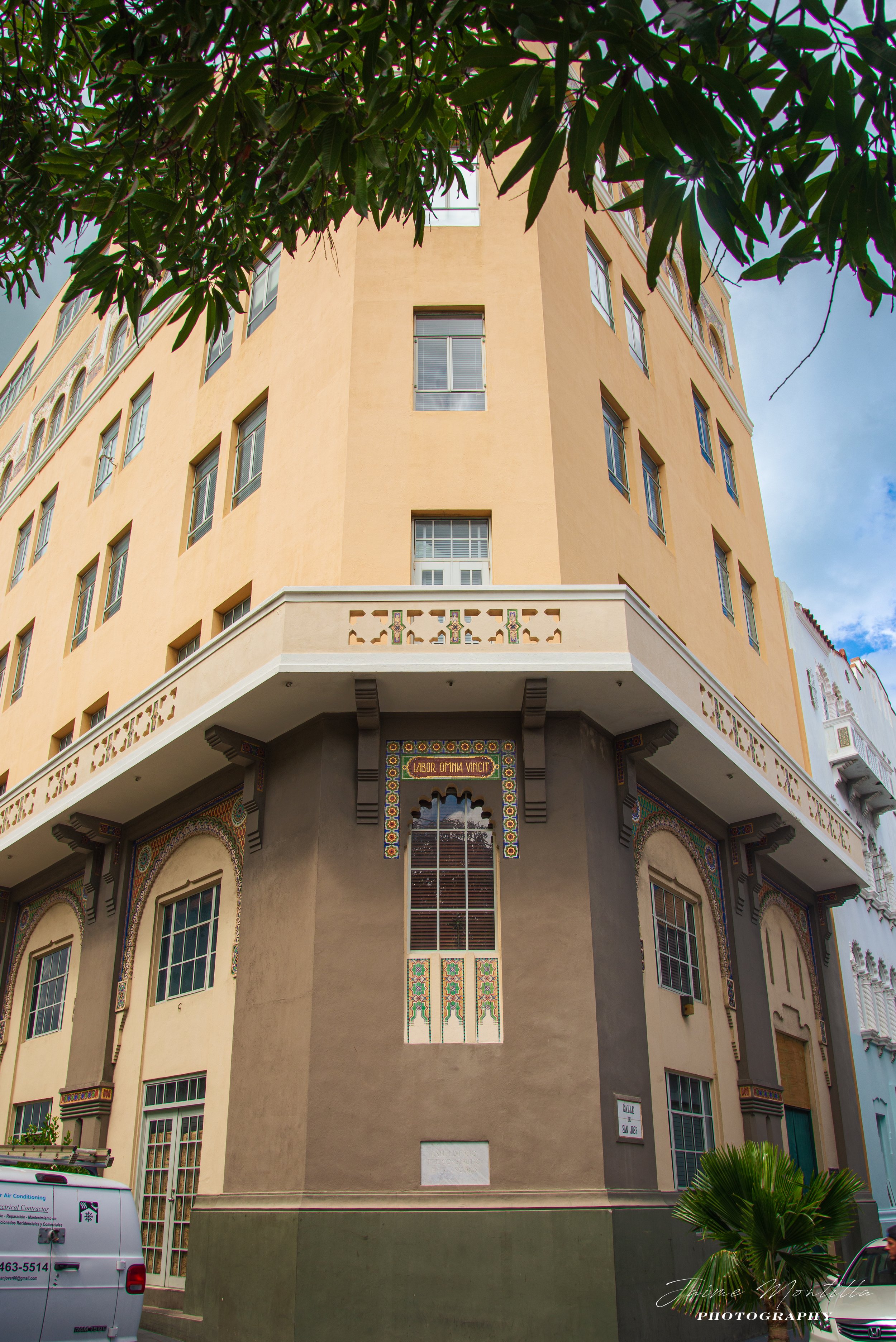
EL Mundo Newspaper/Puerto Rico Ilustrado Magazine Building, Old San Juan - 1923 design by Francisco Roldán Martinó.
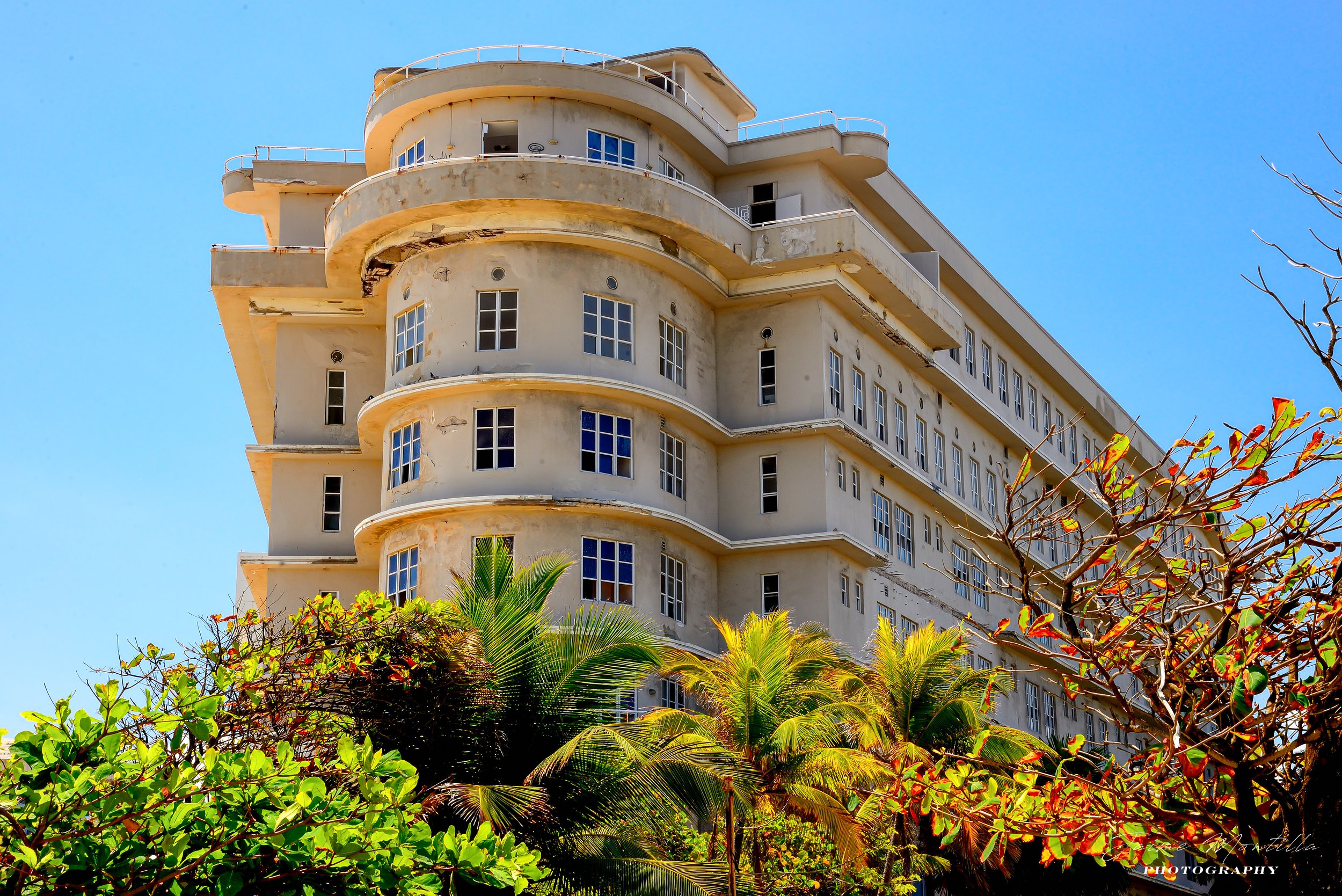
Normandie Hotel, San Juan - 1942 design by Raúl Reichard for Félix benitez Rexach.
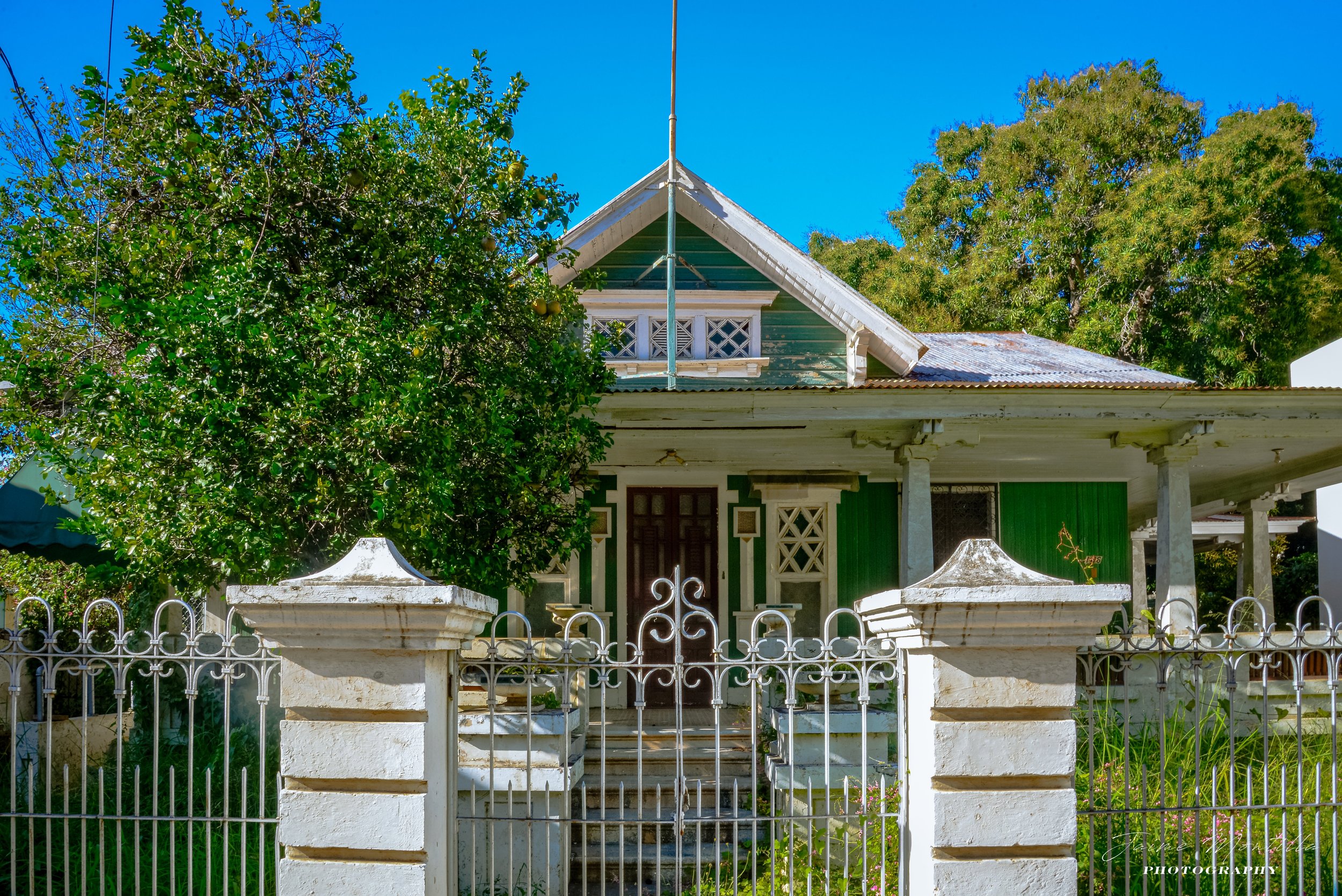
Casa Miguel Godreau, Ponce- 1919 design by Julio Conesa Revoredo
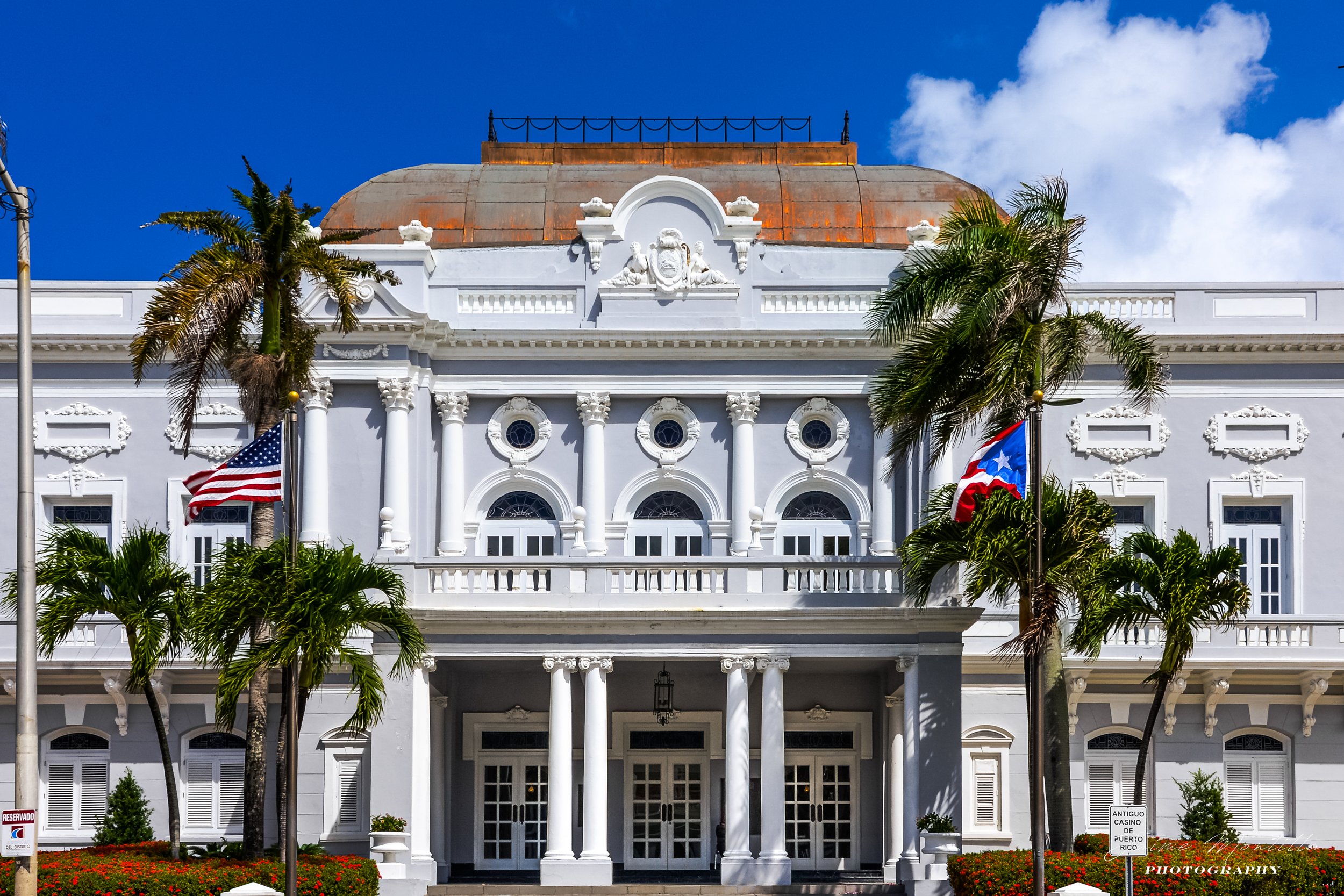
Old Casino de Puerto Rico, Old San Juan - 1913 design by the Fernando Montilla Jimenez & Miguel Ferrer Otero.
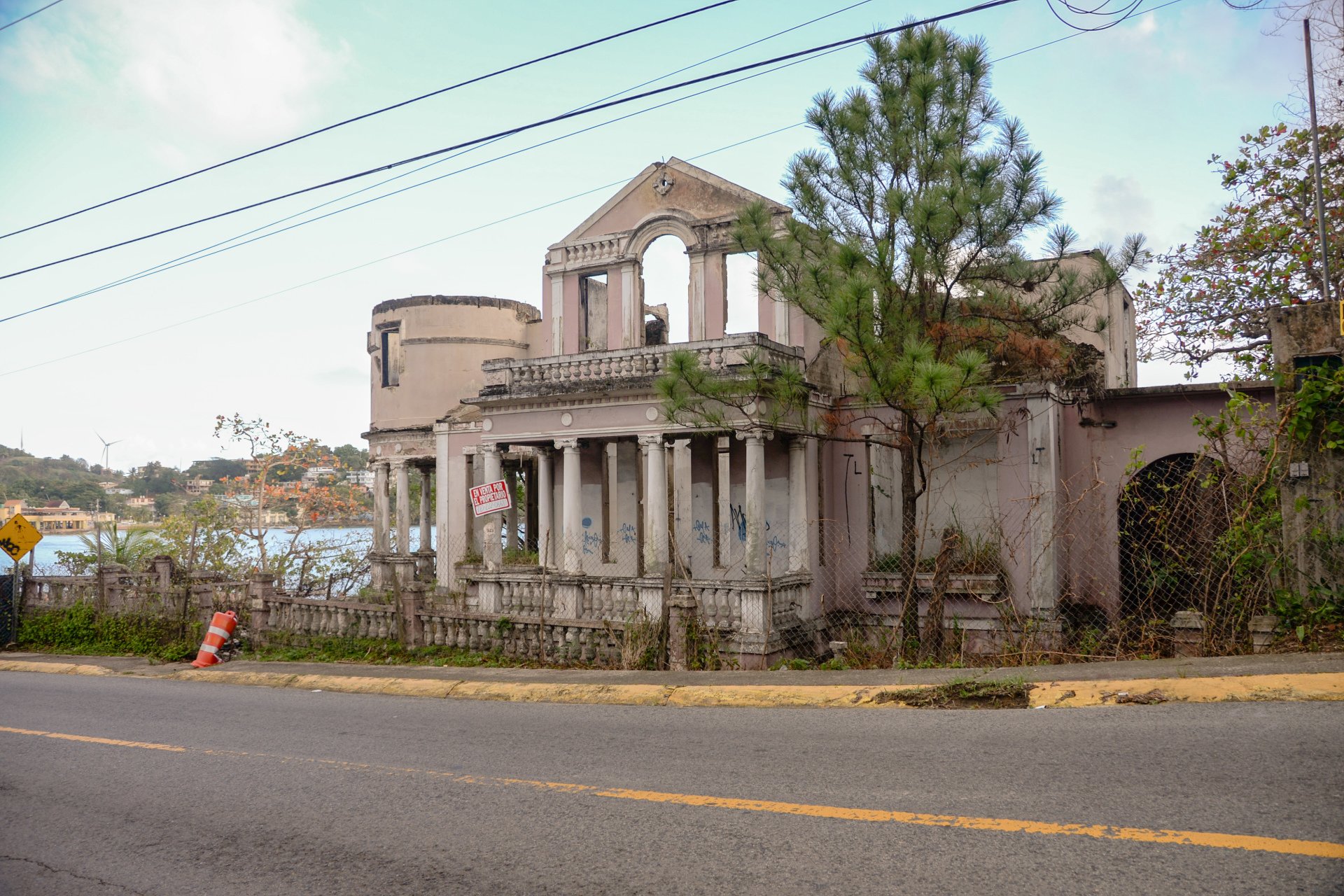
Villa Del Mar, popularly known as El Castillo, Naguabo - 1917 Late Victorian/Queen Anne style design by Pedro T. Vivoni Ramírez de Arellano (1873-1959) for the residence of Faustino Rodríguez and Carmen Fuertes, owners of Central Triunfo. The document registering it in the National Register of Historic Places identifies the builder as Antonio Higuera.
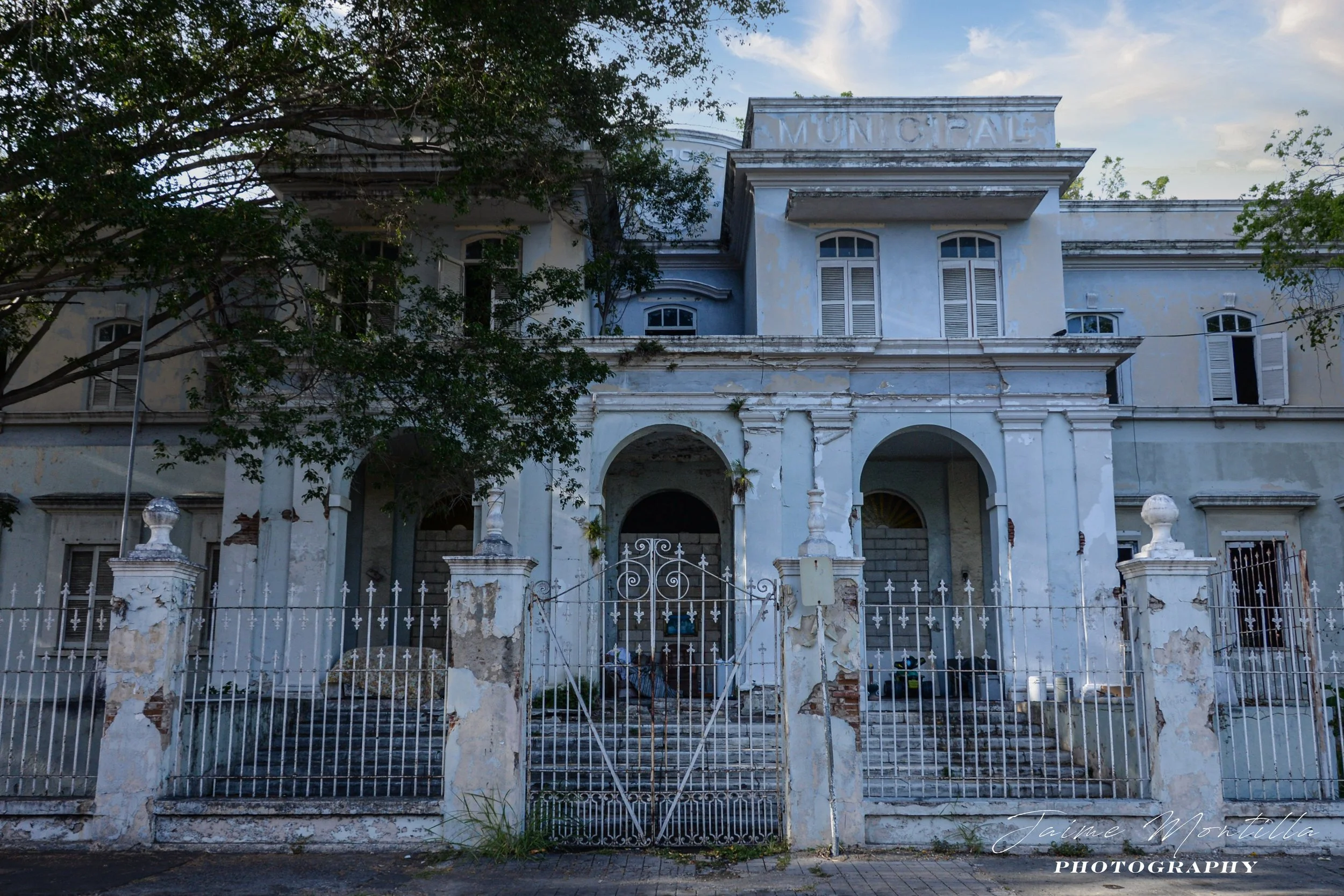
Hospital Tricoche, Ponce - built between 1873 and 1876 by thge Spanish Royal Corp of Engineers, reconstruction due to damage in the 1918 San Fermín Eathquake and 2nd Floor addition designed by Julio Vizcarrondo completed in 1928.
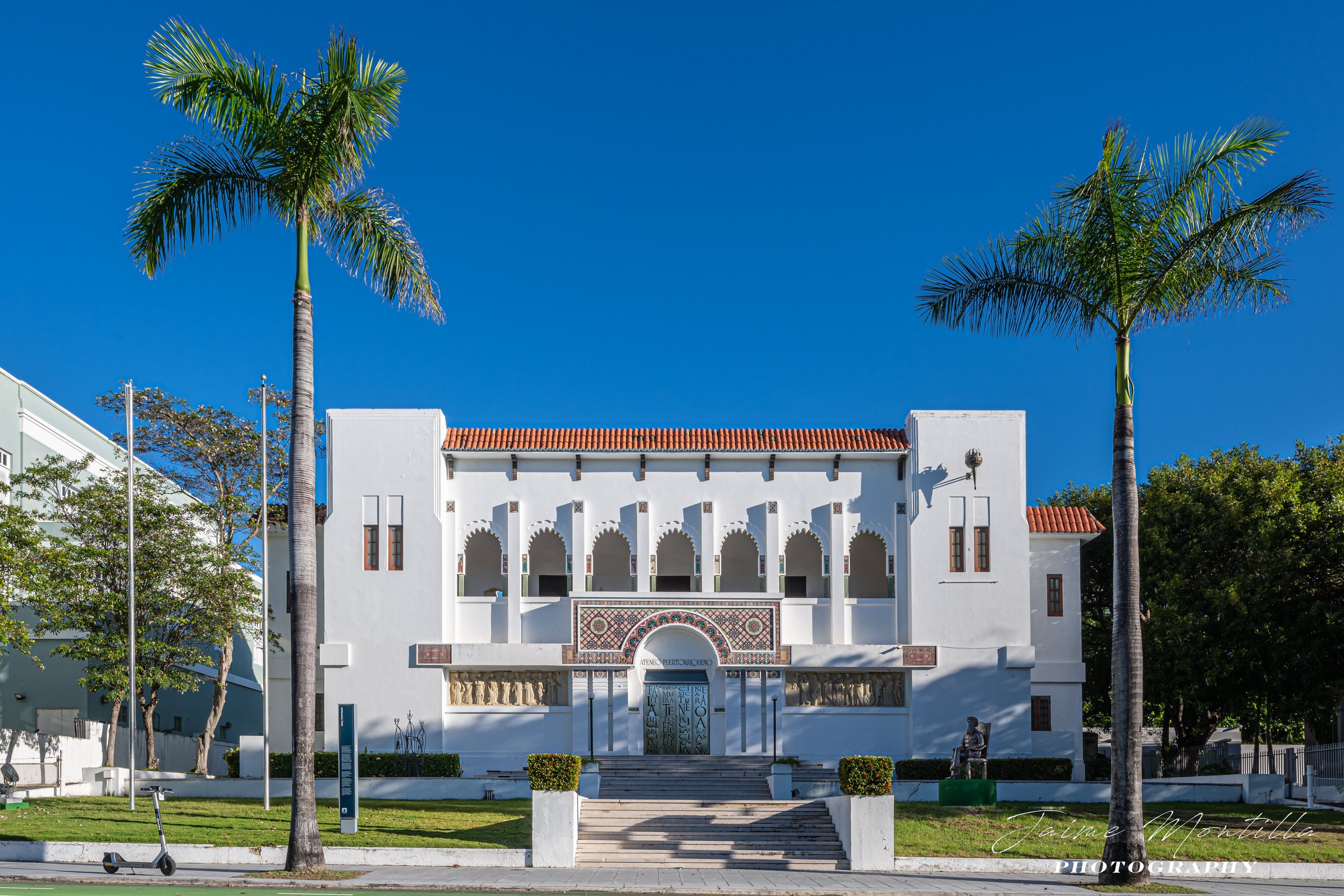
Ateneo Puertorriqueño, San Juan - 1923 design by Francisco Roldán Martinó.
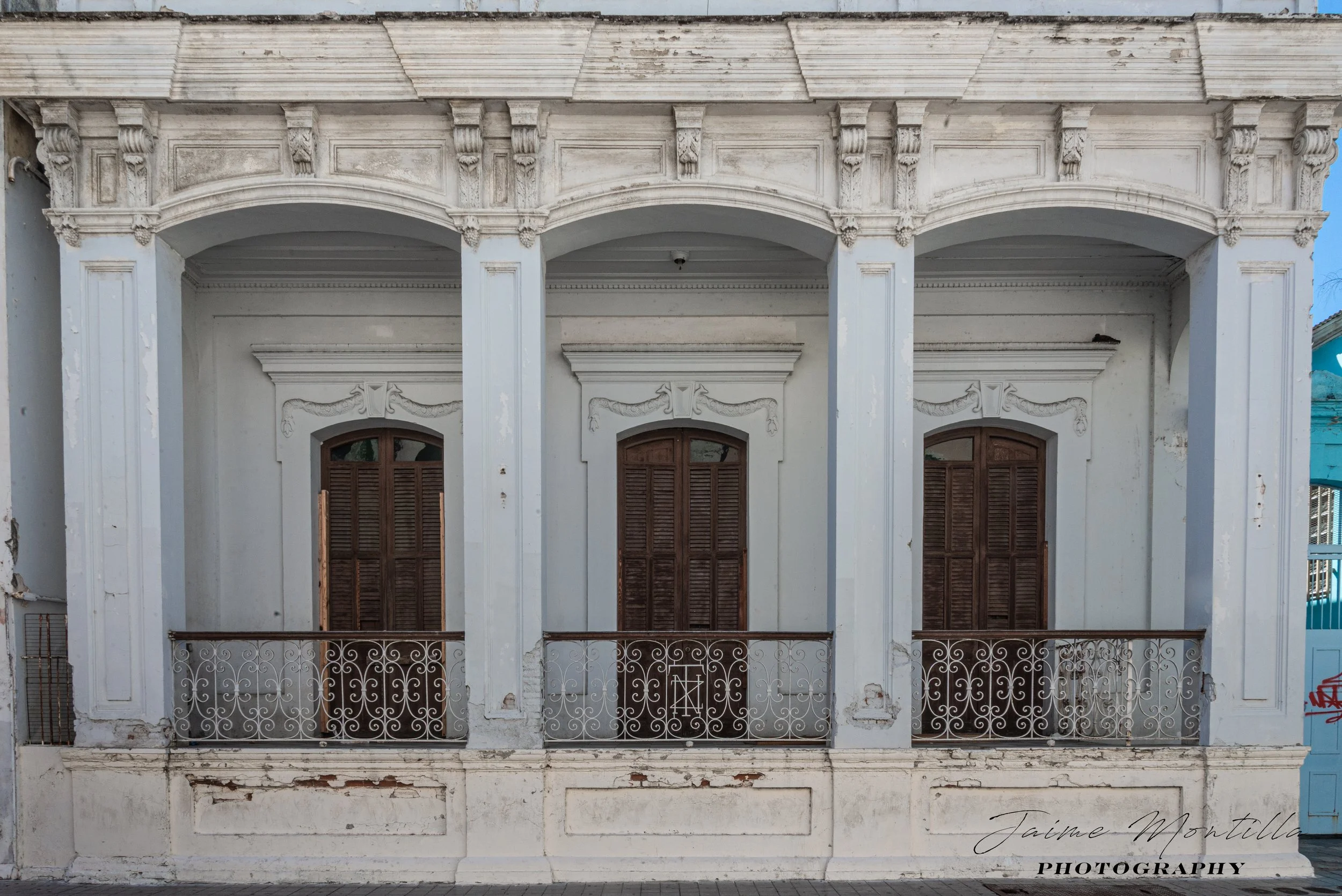
Residence of Spanish immigrant from Barcelona Enrique Nebot Roig and his wife Teresa Zaldo León aka the Fornaris residence, Ponce - 1895 design attributed to Elías Concepción, a foreman or "maestro de obras" used extensively by Blás Silva and Alfredo Weichers in the construction of their designs.